
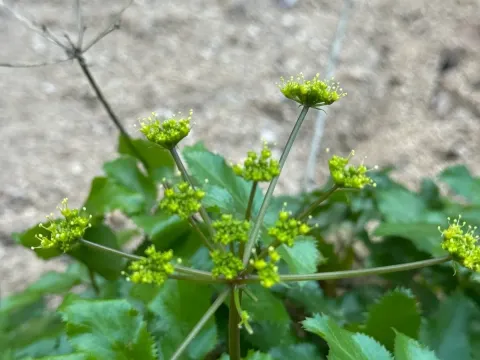
Tauschia
Tauschia
Tauschia is a genus of herbaceous perennial plants belonging to the Apiaceae family. Propagating these plants successfully requires an understanding of their natural life cycle, as the seeds often exhibit dormancy that must be overcome before germination.
What the section contains


Tauschia
The most effective method for sowing involves autumn planting, allowing the seeds to undergo natural cold stratification throughout the winter. This process softens the seed coat and prepares the embryo for uniform growth during the following spring.
When starting seeds indoors, a mixture of perlite and seed-starting compost should be used to ensure excellent drainage. Maintaining a consistent temperature of around 5°C during the stratification period is critical for achieving high viability.
Surface sowing or light covering with a thin layer of soil is recommended, as Tauschia seeds are typically small and may fail to emerge if buried too deeply. Keeping the soil moist but not waterlogged during the germination phase is essential.
Proper spacing is vital during the planting process; maintaining a distance of 30 to 40 centimeters between plants prevents competition for resources and allows for adequate aeration of the foliage and soil surface.
These plants thrive in well-drained, sandy or loamy soils with a near-neutral pH balance. Because Tauschia species are naturally adapted to open or lightly shaded areas, they require sites that do not hold standing water after irrigation or rainfall.
Environmental conditions play a major role in growth; they perform best in regions with mild summers and cool nights. Excessive heat often leads to early senescence of the foliage, so partial shade is recommended in regions with very intense solar radiation.
Water requirements for the genus are moderate. It is better to provide deep, infrequent watering rather than light, frequent spraying. This encourages the root system to grow deeper into the soil, which increases the plant's overall drought resistance.
Soil fertility management should be focused on long-term structure rather than rapid growth. Incorporating small amounts of organic compost during site preparation is sufficient to provide the necessary nutrients without causing excessive top growth.
During winter, the plants usually enter a dormant state. Providing a layer of organic mulch can protect the crown of the plant from extreme temperature fluctuations and frost heaving, especially in areas where snow cover is inconsistent.
The primary threats to Tauschia are root-related fungal pathogens, such as Pythium or Fusarium, which thrive in damp or poorly drained soil conditions. Preventing these issues starts with careful site selection and the use of raised beds if necessary.
Pests such as aphids and spider mites can occasionally affect the foliage, particularly during dry, stressful periods. Regular monitoring of the underside of leaves can help in identifying these infestations before they spread significantly.
To maintain plant health, it is important to practice good garden hygiene by removing dead plant debris at the end of the season. This debris can harbor fungal spores and overwintering insect populations that pose a risk to the next year's crop.
Crop rotation is another vital strategy for managing soil-borne diseases. Avoiding repeated planting of Apiaceae family members in the same spot for at least three to four years helps break the life cycles of specific pathogens.
In cases of significant infection, systemic fungicides should be used with caution, keeping in mind the sensitivity of the genus. Often, improving cultural practices such as air circulation and soil aeration proves more effective than chemical intervention.