
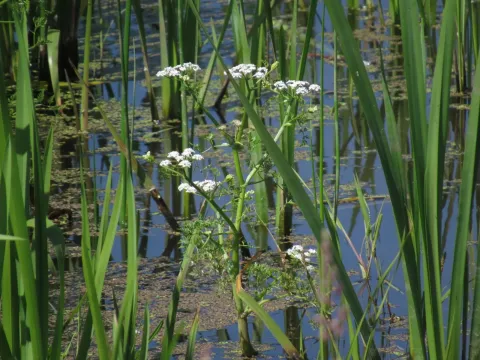
Fine-leaved water dropwort
Oenanthe aquatica
Fine-leaved water dropwort (Oenanthe aquatica) is a distinctive member of the Apiaceae family, characterized by its preference for wetland and aquatic environments. This plant is naturally adapted to growing in shallow waters, muddy banks, and swampy areas throughout its native Eurasian range.
What the section contains
Fine-leaved water dropwort
The crop demands specific soil conditions, thriving best in organic-rich, silty soils that remain saturated with water. Proper moisture levels are critical throughout the growing season, as the plant possesses specialized root tissues designed to function effectively in anaerobic or semi-anaerobic conditions.
Climatic adaptability is a hallmark of this species, as it withstands the temperate climate zones of Europe and Asia. It requires a sufficient length of daylight for flowering and seed production, and it is highly resistant to winter frost due to the insulating properties of its aquatic habitat.
The morphology of the plant includes hollow, grooved stems that can reach significant heights, supporting compound, feathery leaves. The small white flowers are arranged in umbels, which is a classic feature of the celery family, promoting efficient cross-pollination by various insects in wetland habitats.
Regarding its utility, the plant has historically been utilized in specialized medicine for its unique chemical compounds. However, industrial use remains limited due to the inherent toxicity of raw plant parts, which necessitates strict scientific processing and regulatory oversight during harvest and drying.
The main disease threats to Oenanthe aquatica populations include various fungal infections, such as powdery mildew, which thrive in stagnant, humid air. Root rot pathogens can also be detrimental if the water cycle is disrupted or if the water becomes contaminated with excessive pollutants.
Pests, particularly aphids, are known to colonize the upper parts of the stems and the developing inflorescences. Additionally, leaf-eating beetles and larvae of various wetland insects can cause significant damage to the photosynthetic apparatus of the plant during the mid-summer peak growth phase.
To maintain healthy crops, it is essential to ensure a clean water flow that prevents the buildup of debris and pathogens. Regular monitoring is recommended to spot early signs of infestation, allowing for the mechanical removal of affected individuals before the problem spreads across the wetland.
Chemical control is generally discouraged in these environments to protect the fragile aquatic ecosystem and the biodiversity associated with it. Instead, integrated pest management strategies, focusing on biological controls and cultural practices, are preferred by professional growers.
Overall, the stability of the crop is directly linked to the water quality and the balance of the local ecosystem. By maintaining these conditions, growers can minimize threats and ensure a sustainable production of plant biomass suitable for medicinal or research purposes.