
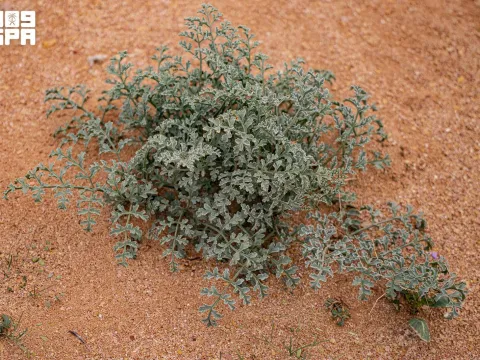
Ferula rutbaensis
Ferula rutbaensis
Ferula rutbaensis is a specialized member of the Apiaceae family, native to arid regions where it has evolved to thrive under harsh environmental conditions. The plant is characterized by a deep taproot that facilitates survival in nutrient-poor and moisture-deficient soils.
What the section contains
Ferula rutbaensis
The morphology of the plant includes finely divided foliage and a robust inflorescence that attracts pollinators adapted to desert environments. As a perennial, it enters a dormant phase during the hottest and driest times of the year, regenerating from the root stock.
Agronomic success with this crop depends entirely on site selection. Fields must be situated on well-draining, sandy-loam soils with excellent aeration. Any soil compaction or high water table will immediately lead to root rot and total crop failure.
Temperature requirements are high, as the species is heat-tolerant. However, seed germination and early seedling development are more sensitive and require stable spring temperatures to ensure successful establishment in the field.
Maintenance is relatively low compared to traditional crops, provided that the initial soil preparation is adequate. Regular monitoring for moisture levels is the most critical management task during the active growth season.
The most significant threat to Ferula rutbaensis is the onset of fungal diseases affecting the crown and root tissues. These are typically triggered by poorly timed irrigation or unseasonable rainfall occurring during the dormant stage.
Insect pests include wireworms that burrow into the root system, significantly impacting the plant's health and oil production capacity. If left unmanaged, these soil-borne pests can cause substantial population thinning across a commercial plantation.
Weed management is equally critical, as competition for moisture is intense in arid environments. Mechanical weeding is preferred, though caution must be taken to avoid damaging the shallow root laterals that develop in some environmental contexts.
Biotic stressors are compounded by environmental stressors. Proper crop spacing is vital to allow for air circulation, which helps manage micro-climate humidity levels around the foliage, thus reducing the risk of powdery mildew infections.
Management strategy should focus on preventative care rather than reactive treatments. Utilizing certified seeds and maintaining strict sanitary standards for farm equipment helps prevent the introduction of pathogens into established agricultural sites.