
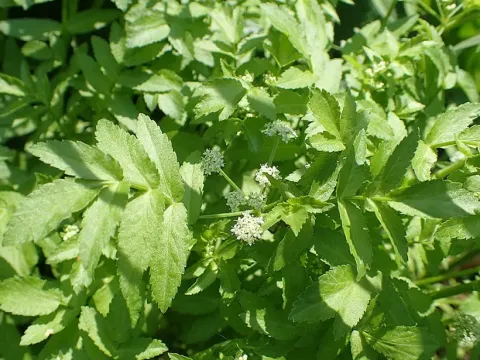
Fool's water cress
Apium nodiflorum
Fool's water cress, scientifically known as Apium nodiflorum, is a perennial herb belonging to the Apiaceae family. In its natural habitat, the plant spreads primarily through seeds and vegetative propagation by rooting at the nodes of its trailing stems.
What the section contains
Fool's water cress
For agricultural cultivation, seeds should be sown in a moist, nutrient-rich substrate in early spring. Optimal germination occurs at temperatures between 15°C and 20°C, provided that the seedbed remains consistently saturated with water throughout the establishment phase.
Vegetative propagation is highly effective for this crop. Cuttings taken from healthy, established plants will readily develop roots when placed in wet soil or shallow water, allowing for rapid expansion of the production area.
The plant thrives in well-lit areas but can tolerate partial shade, which is common in its natural riverbank habitat. Proper spacing is essential to prevent overcrowding, as the plants can form dense, spreading mats that quickly occupy the available space.
When starting a new plantation, it is crucial to ensure that the environment mimics the plant's natural aquatic or semi-aquatic needs, providing steady access to moisture and adequate nutrient levels in the medium.
The primary requirement for Apium nodiflorum is constant access to water. As a hydrophyte, it requires wet, silty soil or shallow water to support its physiological processes and ensure steady leaf production.
The crop prefers fertile substrates rich in organic matter. A neutral or slightly alkaline soil pH is optimal for nutrient uptake, and producers should aim to avoid high levels of soil salinity, which can stunt plant growth.
Water quality is a critical factor in the cultivation of Fool's water cress. Since the plant is efficient at absorbing minerals from its environment, it should be grown away from potential chemical runoff or industrial contaminants.
Climate-wise, the species is best suited for temperate regions with mild winters. While it can withstand minor temperature fluctuations, it is not considered highly frost-hardy and may require protection in colder climates to maintain productivity.
Regular nitrogen fertilization during the peak growing season helps to promote the lush vegetative growth required for harvesting. Providing adequate airflow, even in wet conditions, is also vital for the plant's long-term health.
Fungal diseases are the most common issue for this crop, particularly in humid or stagnant conditions. Powdery mildew and grey mold can spread quickly if air circulation within the planting area is poor or if water quality is low.
Insect pests, such as aphids, can infest the tender shoots and young leaves, leading to leaf curling and reduced marketability. Biological control measures are recommended to manage these populations without compromising food safety.
Root rot is a significant risk if water becomes stagnant at high temperatures. Implementing a system that allows for slight water movement or regular refreshing of the water can help mitigate the growth of harmful anaerobic bacteria.
Slugs and snails can cause substantial damage to the crop, especially in damp, shaded environments. Regular monitoring and physical barriers are often the most effective ways to protect the plants from these mollusks.
Nematodes in the soil can also impair root development. Crop rotation and thorough substrate sterilization before planting are essential cultural practices to prevent the buildup of soil-borne pathogens and pests.
Harvesting Apium nodiflorum involves cutting the tender stems and leaves, ideally before the plant reaches its full flowering stage. During the vegetative phase, the concentration of aromatic oils and the quality of the foliage are at their peak.
Using sharp shears, the plants should be cut a few centimeters above the ground or water level. This technique promotes healthy regrowth, allowing for multiple harvests throughout the growing season.
Once harvested, the foliage is highly perishable due to its high water content. It must be cooled immediately after harvest and stored in a cold environment to maintain freshness and prevent wilting during transportation to the market.
In culinary applications, the plant is valued for its distinct, celery-like flavor. It is often used as a fresh garnish, in salads, or incorporated into soups and sauces to provide a unique aromatic profile to the dish.
Sustainable harvesting practices, such as leaving a portion of the crop untouched, ensure that the population remains healthy and can naturally reproduce, thereby maintaining the longevity of the production site.