
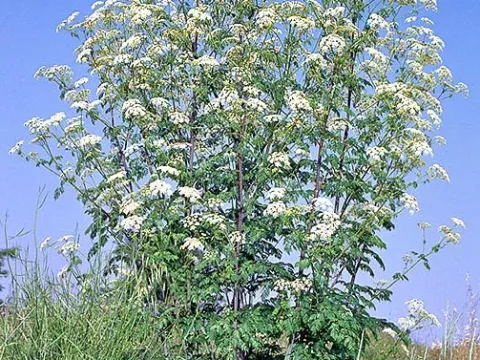
Fuernrohria
Fuernrohria
Fuernrohria, belonging to the Apiaceae family, is a distinct genus that requires precise conditions to ensure successful establishment. In many cases, seeds benefit from a period of cold stratification, which mimics the natural overwintering process in their native habitats.
What the section contains
Fuernrohria
For agricultural purposes, seeds should be sown in early spring into well-prepared, fine-textured soil. A shallow sowing depth of approximately 1 to 2 centimeters is ideal to prevent the exhaustion of the seedling's energy reserves before emergence.
Sowing in rows with a spacing of 35 to 45 centimeters allows for efficient aeration and space for mechanical or manual weeding. Ensuring the seeds are in good contact with moist soil is critical during the initial germination phase.
Temperature management during the sowing period is essential, with 12 to 15 degrees Celsius providing the best environment for early root development. Avoiding surface crusting is necessary to allow for easier emergence of the delicate shoots.
Uniformity in sowing depth and moisture levels leads to synchronized plant growth, which simplifies later harvest and management practices. Implementing a slight mulch layer can help maintain soil moisture during this vulnerable stage.
This crop thrives in open, sunny environments where it can receive maximum daily light. High solar radiation is necessary for the development of its characteristic growth forms within the family.
The ideal soil for Fuernrohria should be loose, fertile, and well-drained. Soils with heavy clay or high salinity are unsuitable as they impede root penetration and may cause physiological stress to the crop.
Regular hydration is required throughout the growing season, especially during periods of high temperature. However, excessive irrigation that leads to waterlogging should be strictly avoided to prevent root diseases.
Nutrient management focuses on maintaining a balanced supply of macro- and micronutrients. Organic compost is often beneficial as it also improves the soil structure and water-holding capacity over the long term.
Protection against severe weather events, such as strong winds or heavy storms, is advisable for taller specimens. Site selection often involves choosing locations with natural windbreaks to preserve the integrity of the plant structures.
The primary threats to this plant involve fungal pathogens, particularly in humid or stagnant air conditions. Leaf spots and root rots are common issues if the humidity is not managed correctly or if plant density is too high.
Pests typical of Apiaceae, such as aphids and certain hemipteran insects, can cause significant damage to the foliage and stems. These pests can also serve as vectors for various viral diseases that weaken the crop.
Effective crop rotation is the most important defense against soil-borne pathogens. Fuernrohria should not be grown in fields previously used for other celery family crops within the last 3 to 4 years.
Integrated pest management, combining physical barriers and the use of natural predators, is recommended for sustainable production. Chemical interventions should only be considered as a last resort and based on specific field monitoring.
Regular field scouting to identify early signs of infestation or infection allows for localized treatment, significantly reducing the need for broad-scale applications. Maintaining field hygiene is key to long-term success.