
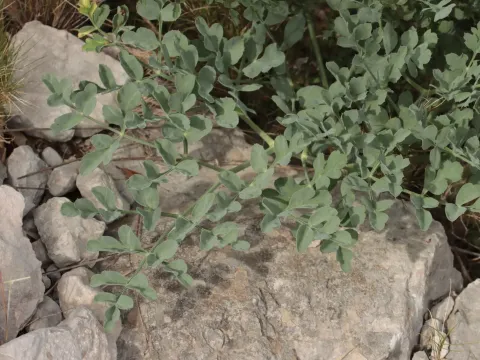
Laserpitium
Laserpitium
Sowing Laserpitium seeds is most successful when performed in late autumn, allowing the seeds to undergo natural stratification during the winter months.
What the section contains


Laserpitium
If spring sowing is necessary, cold stratification is mandatory; store seeds in a damp substrate at temperatures between 1°C and 5°C for at least 8 weeks.
Seeds should be sown at a shallow depth of 1-2 cm in well-prepared, loose soil to prevent excessive pressure on the emerging seedlings.
Maintain consistent moisture throughout the germination period, as the seeds are sensitive to drying out during the initial stages of development.
Proper spacing is crucial for mature plants, requiring at least 40-50 cm between individuals to ensure adequate air circulation and light penetration.
Laserpitium thrives in sunny locations but displays remarkable adaptability to partial shade in hotter climates where soil moisture is maintained.
The ideal soil profile is calcareous, well-draining, and rich in organic matter, providing the necessary nutrients for deep root development.
The plant is highly frost-hardy, as it originates from mountain meadows and stony slopes, making it suitable for temperate climate zones.
Proper drainage is the most critical requirement, as waterlogged conditions lead to root rot, especially during the dormant winter period.
While the plant is drought-tolerant once established, supplemental watering during the peak growing season significantly enhances biomass production.
Root rot is the most common threat, often resulting from poorly draining soil or excessive rainfall during the growing season.
Pests such as aphids and specialized coleopterans can cause damage to the umbels, potentially affecting seed yield and plant health.
Preventative measures include avoiding monoculture and implementing a strict crop rotation schedule to break the life cycles of common pathogens.
Fungal leaf spots can occur in dense plantings with poor airflow, necessitating timely thinning and removal of infected leaves.
Integrated pest management, including the use of beneficial insects, is recommended to manage populations without synthetic chemical dependence.
Harvesting of roots generally occurs in the second year, when the plant has developed sufficient reserves and essential oil content.
Seed harvesting should be done when the umbels turn brownish, ensuring collection before natural dispersal occurs in the field.
Post-harvest processing involves immediate cleaning and drying at temperatures below 40°C to preserve the volatile compounds within the tissues.
Proper storage involves using airtight, opaque containers to prevent degradation from light and humidity, ensuring a shelf life of up to two years.
Regular monitoring of moisture content during storage is essential to prevent mold growth, which can rapidly compromise the harvested material.