
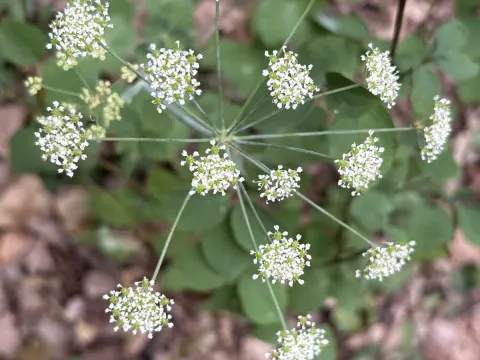
Laser
Laser
Sowing of Laser (Laserpitium) is best performed in late autumn or early spring to allow for natural stratification, which is essential for uniform seed germination. The seeds require a period of cool conditions to break dormancy, making autumn planting the preferred method for many growers.
What the section contains

Laser
The seeds should be sown at a shallow depth of approximately 1–2 centimeters in well-prepared, friable soil. Consistent moisture levels must be maintained in the seedbed until emergence, as young seedlings are sensitive to surface desiccation and cannot compete well with weeds.
In field production, precision seeding in wide rows is recommended to facilitate mechanical weeding and ensure optimal air circulation. Proper plant spacing is crucial to reduce competition for nutrients and light, which directly impacts the quality of the harvested botanical material.
Belonging to the Apiaceae family, Laser is a perennial plant that focuses its energy on root system development during the first year of growth. The formation of a healthy leaf rosette during the initial phase is the foundation for subsequent vigorous growth in the following years.
As a perennial crop, Laser displays excellent cold hardiness, adapting well to temperate climates. However, growers should account for the plant's life cycle, as it reaches its full reproductive potential only from the second year onwards, requiring patience and sustained management.
Laser thrives in fertile, well-drained soils with a neutral to slightly alkaline pH. Soils with a high clay content or tendency to waterlog are unsuitable, as they significantly increase the risk of crown and root rot, which are lethal to this species.
The plant requires high levels of solar exposure to synthesize the secondary metabolites, including essential oils, that determine its commercial value. Insufficient sunlight will lead to spindly growth and a lower concentration of active compounds in the roots and leaves.
Water requirements are moderate, with the plant favoring stable moisture levels over extremes. While it can withstand short periods of drought, supplemental irrigation is necessary during critical growth phases, particularly if summer temperatures are consistently high.
Balanced fertilization with a focus on phosphorus and potassium is recommended to strengthen the plant's structure and improve root development. Nitrogen should be applied judiciously, as excess levels can lead to poor plant quality and increased susceptibility to diseases.
Regular cultivation of the inter-row space is vital for soil aeration, preventing crust formation, and managing weeds. Healthy soil structure promotes beneficial microbial activity, which is essential for the long-term sustainability of perennial herb plantations.
The yield of Laser is highly dependent on the age of the crop, with peak production typically occurring between the third and fourth years. By this stage, the root system is well-established, allowing for a substantial harvest of high-quality botanical materials.
Commercial harvesting is usually planned to coincide with the phenological stage where active ingredients are at their highest concentrations. Proper timing is a balance between biomass accumulation and the physiological state of the plant to ensure maximum quality.
Crop yields can vary significantly depending on soil fertility and site-specific management practices. Investing in professional harvesting equipment that minimizes damage to the root systems is a key factor in maximizing the profitability of the plantation.
As a specialized medicinal crop, Laser commands a premium market price when grown and harvested according to strict quality standards. This makes it a lucrative option for small-scale organic farms focusing on value-added botanical products.
Consistent record-keeping and monitoring of plant health throughout the growing season allow growers to optimize inputs and predict harvest timelines accurately. Sustainable management practices help maintain yield levels over the long life span of the perennial planting.
The primary threats to Laser include fungal diseases like powdery mildew and various soil-borne pathogens. These are most prevalent in damp, stagnant air conditions, emphasizing the importance of site selection and proper spacing between plants.
Insect pests, such as aphids and larvae of the Apiaceae-specific moths, can cause significant damage to foliage and flower stalks. Integrated pest management strategies are recommended to keep damage levels low while maintaining organic integrity.
Weed management is most critical during the first year of growth when the plants are slow to establish. Early intervention using manual or mechanical weeding techniques is necessary to prevent weeds from outcompeting the crop for sunlight and nutrients.
Crop rotation is essential for the long-term success of Laser plantations. Planting on the same site repeatedly increases the likelihood of soil-borne pest buildup, so a rotation interval of 5 to 7 years is recommended for maintaining phytosanitary stability.
Preventative measures, including the use of clean seeds and regular monitoring, are far more effective than curative treatments. Prompt removal of infected plants can stop the spread of localized disease outbreaks before they compromise the entire crop.
The harvest of roots is typically conducted in late autumn, once the above-ground parts have died back and the energy reserves have moved into the root system. Roots must be handled carefully during excavation to prevent mechanical damage that could lead to post-harvest decay.
Above-ground biomass is harvested during peak flowering to maximize essential oil capture. Harvesters should ensure that the cutting height remains above the basal rosette to allow the plant to regenerate successfully for the following season.
Post-harvest processing involves rapid washing to remove soil and drying at low, controlled temperatures. High-temperature drying must be avoided at all costs, as it quickly degrades the volatile essential oils that give the plant its characteristic properties.
Mechanical harvesting equipment should be calibrated to lift the crop gently, ensuring the roots remain intact. Once harvested, the material should be transported to a clean, dry, and dark storage facility to prevent degradation from light or heat.
Final packaging must protect the dried botanical material from moisture and contamination. Proper storage conditions ensure that the product maintains its shelf life and meets the stringent quality requirements of pharmaceutical or cosmetic manufacturers.