
French Laserwort
Laserpitium gallicum
Description
Growing requirements
French Laserwort (Laserpitium gallicum) is a perennial herbaceous plant belonging to the Apiaceae family. Its natural habitat is found in the mountain regions of Europe, where it thrives on limestone substrates and rocky slopes, reflecting its adaptation to specific soil conditions.
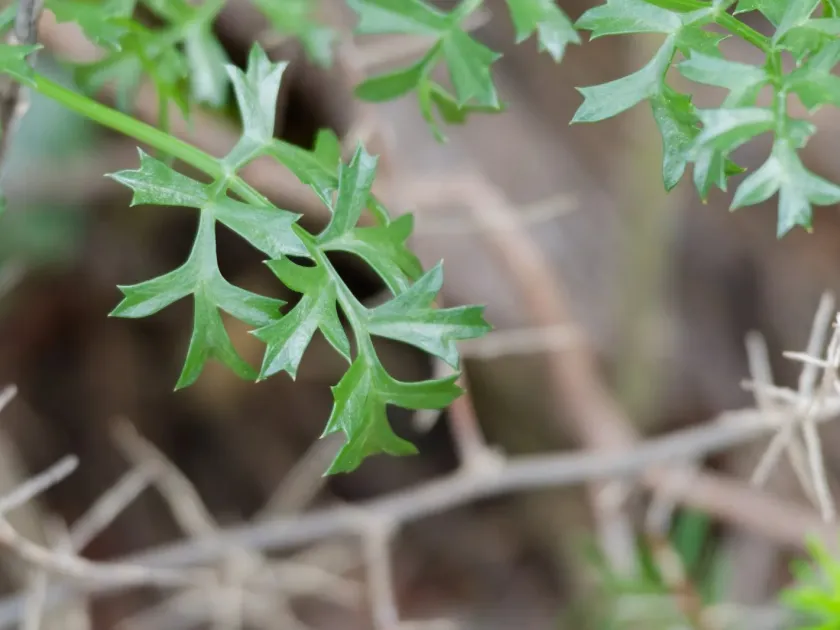
The plant is characterized by a robust taproot and a rosette of glaucous, highly dissected leaves. Its stem is branched and can reach significant heights, providing a distinct architectural structure within the plantation site during the growing season.
The crop requires full sun exposure and well-drained, alkaline soils to achieve optimal development. It is highly valued for its resilience to dry conditions once established, as its deep root system allows for efficient moisture uptake from lower soil layers.
Agricultural management should focus on soil aeration and weed control. Since the plant is sensitive to waterlogging, site selection must prioritize well-draining fields to prevent root decay and ensure long-term stand longevity.
Nutrient management involves balanced fertilization, with a focus on trace elements that support the plant's metabolic functions. Proper spacing is essential to ensure adequate airflow, reducing the humidity around the leaf rosettes.
Main diseases and pests
Fungal pathogens such as powdery mildew are the most common issues affecting Laserpitium gallicum. These usually appear during periods of high humidity or poor ventilation, necessitating proactive monitoring and timely fungicide application.
Root rot caused by Phytophthora or Pythium species may occur in improperly drained soils. Maintaining an optimal drainage system is the primary preventative measure for ensuring the health of the perennial root systems throughout the season.
Insect pests such as aphids and leaf-eating beetles can cause direct damage to the foliage and flower buds. Integrated pest management strategies, including the use of biological control agents, are recommended for maintaining plantation health.
Weed infestation is a significant challenge during the establishment phase. Early-season cultivation or the use of mulching materials can help suppress competitive weeds while the crop develops its secondary root system.
Regular inspection of the plantations for signs of chlorosis or leaf necrosis is vital. Swift removal and destruction of infected plant material prevent the spread of diseases within the field, ensuring higher yields and uniform crop development.