
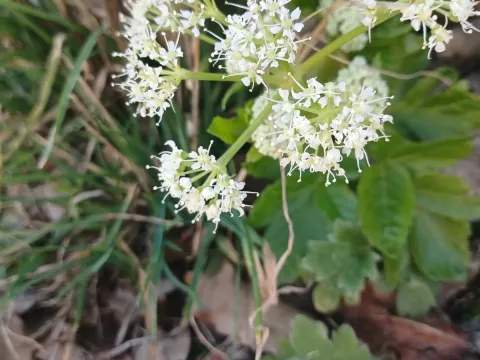
Lecokia
Lecokia
Lecokia is a perennial plant primarily found in wild habitats. When cultivating this species, seeds should be collected from fully matured umbels. The seeds exhibit deep dormancy, requiring specific environmental cues for germination.
What the section contains

Lecokia
The most effective method for propagation is autumn sowing. By placing seeds in the soil before winter, they undergo a natural period of cold stratification, which is essential to break dormancy and ensure uniform emergence in spring.
If spring sowing is necessary, cold stratification must be artificially induced. Seeds should be kept in a moist substrate at temperatures between 2 and 5 degrees Celsius for approximately two months prior to planting.
The planting depth should be shallow, roughly 1 to 2 centimeters deep. Because the seedlings are initially small and slow-growing, spacing them with at least 45 centimeters between rows allows for easier weeding and maintenance.
Soil preparation is critical for success. Incorporating organic matter, such as compost or leaf mold, into the soil before sowing will provide the necessary nutrients for the slow-developing root system of the young plants.
Lecokia thrives in partial shade or dappled light conditions. This reflects its natural evolutionary adaptation to forest edges, mountain slopes, and understory habitats where direct sunlight is filtered by larger vegetation.
The plant requires well-drained, fertile soil with a slightly acidic to neutral pH. It is particularly sensitive to waterlogging, as the roots are prone to fungal decay if the soil remains excessively wet or compacted for prolonged periods.
Regarding climate, this plant is suited for temperate zones with consistent moisture levels. It is reasonably cold-hardy, capable of surviving winter dormant periods as long as the crown is protected by mulch or snow cover.
Maintenance involves keeping the soil consistently moist but not saturated. Mulching is highly recommended to regulate soil temperature and retain moisture, especially during the warmer months of the active growing season.
Good air circulation is vital for plant health. Crowded plantings should be avoided, as stagnant air can lead to increased humidity around the foliage, which encourages the development of various foliar fungal pathogens.
Powdery mildew is one of the most common threats to Lecokia. This fungal infection manifests as a white, dusty coating on the leaves, usually exacerbated by poor ventilation and high humidity levels during the growing season.
Pests such as aphids and umbellifer-specific larvae can attack the developing inflorescences. If left unchecked, these infestations can lead to flower abortion and significantly reduce the viability of the seed crop.
Root rots remain a significant risk for this species. Pathogens like Fusarium thrive in poorly drained soil, eventually causing the plant to wilt suddenly, often leading to death if the infection reaches the root crown.
Slugs and snails are frequent visitors to young, succulent sprouts. These gastropods can rapidly consume young seedlings, necessitating protective measures like physical barriers or bait traps during the early spring months.
Integrated pest management is the preferred approach for maintaining a healthy stand. This includes proper spacing, early detection of symptoms, and the removal and destruction of severely infected plant tissues.