
Leiotulus
Leiotulus
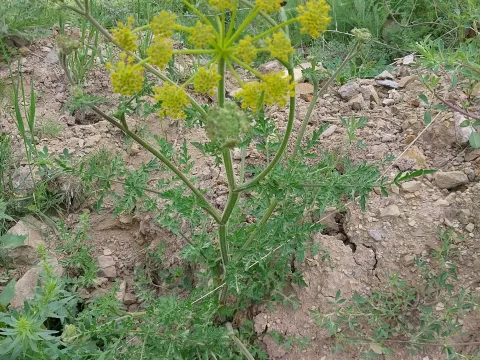
Leiotulus is a genus of herbaceous plants belonging to the Apiaceae family. These plants are typically found in steppe and mountainous regions, adapted to survive in diverse environmental conditions through specific physiological mechanisms.
What the section contains


Leiotulus
The crop requires well-drained, nutrient-rich soil to thrive. It performs best in loam or sandy-loam environments where moisture management is optimized through consistent soil structure and adequate drainage capacity.
Regarding climate, Leiotulus demonstrates significant resilience to drought, making it suitable for semi-arid agricultural zones. It requires ample sunlight exposure to maximize biomass production and the development of secondary metabolites within its tissues.
Soil preparation is a cornerstone of the agronomic practice for this crop. Tillage should ensure a fine seedbed to encourage rapid germination, while the pH levels should be maintained in the neutral range for optimal nutrient uptake.
The plant possesses a deep taproot system, which contributes to its overall hardiness and allows it to access water reserves during dry summer months, minimizing the need for extensive irrigation systems.
The most common disease risks include fungal infections like powdery mildew, which can spread rapidly under conditions of high humidity and poor air circulation within the canopy.
Insect pests, particularly the umbellifer moth, pose a threat to the flowering stage of the crop. Larval feeding on the umbels can lead to severe losses in potential seed production.
Aphids can cause indirect damage by sucking sap and potential transmission of viral pathogens, which may weaken the plant stands significantly if left unchecked.
In terms of soil-borne threats, larvae of wireworms can damage the roots, necessitating pre-plant soil analysis and monitoring to determine if preventive treatments are required.
Integrated Pest Management (IPM) strategies, including biological control agents and rotational crops, are highly recommended to sustain healthy fields and ensure long-term crop viability.