
Laserpitium krapfii
Laserpitium krapfii
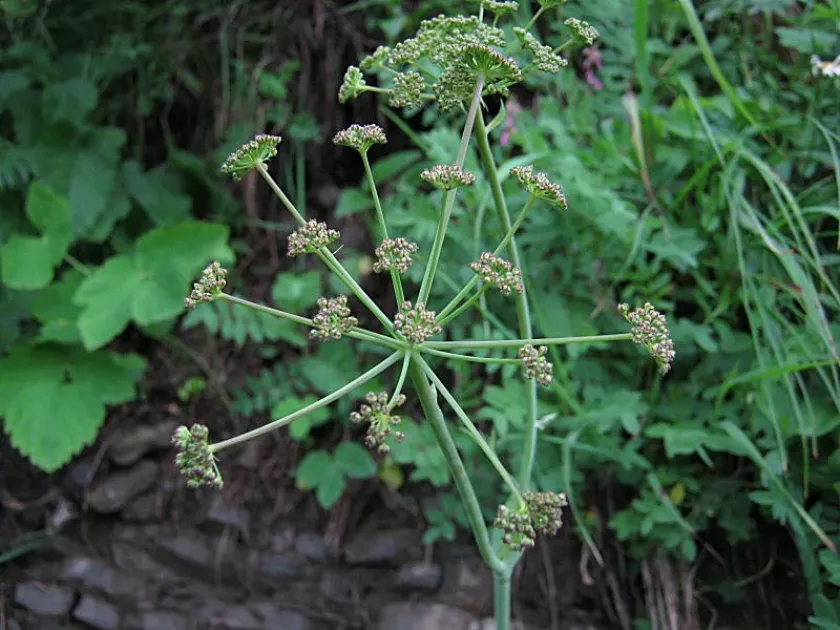
Description
Sowing dates
Laserpitium krapfii is a perennial herbaceous plant belonging to the Apiaceae family. Its propagation is primarily achieved through seeds, which require a cold stratification period to break dormancy and ensure high germination rates.
For cultivation purposes, autumn sowing is recommended to mimic natural environmental conditions. Seeds should be buried at a depth of 1-2 centimeters in well-drained, prepared soil to protect them from frost and desiccation.
Seedlings typically emerge in the following spring once soil temperatures reach a consistent level. During the first growing season, the plant develops a rosette of basal leaves, focusing on building a robust root system.
Spacing is a crucial factor for the long-term success of the crop, with rows set at 45-60 centimeters apart. This spacing prevents overcrowding and provides adequate airflow, which is vital for the health of the plant.
Regular monitoring during the germination phase is essential. If the soil crust becomes too hard, shallow mechanical loosening may be necessary to assist the emerging sprouts in reaching the surface.
Growing requirements
The plant thrives in fertile, well-drained soil with a neutral to slightly alkaline reaction. It is highly sensitive to waterlogging, which can cause significant damage to the root system and inhibit healthy development.
Laserpitium krapfii requires high exposure to sunlight to reach its maximum productivity. While it can tolerate slight shade, full sun is preferred for better development of its aromatic and medicinal components.
The optimal temperature for growth ranges between 18 and 25 degrees Celsius. The plant is well-adapted to cooler climates and demonstrates excellent winter hardiness, making it suitable for temperate agricultural zones.
Moderate moisture levels are required, particularly during the vegetative growth stage. While established plants show some drought tolerance, supplemental irrigation is recommended during prolonged dry spells to maintain yield.
Fertilization with phosphorus and potassium-rich compounds significantly enhances the plant's resilience. Organic amendments added to the soil before planting ensure a steady supply of nutrients throughout the growing season.
Main diseases and pests
Like many Apiaceae species, this plant is prone to aphid infestations, particularly during the flowering stage. Biological control agents or horticultural soaps are the preferred methods for managing these pests effectively.
Fungal diseases, such as powdery mildew, may occur if the planting density is too high or if air circulation is poor. Keeping the foliage dry and maintaining proper spacing are the primary preventative measures.
Root rot is a significant threat under conditions of excessive moisture or poor drainage. Ensuring that the soil structure is friable and well-aerated is the most effective strategy for preventing such fungal issues.
Occasional damage from chewing insects may occur, but the plant's natural essential oils often provide an inherent defense. Scouting for symptoms of disease or pest activity should be done on a weekly basis.
Crop rotation is vital to maintain soil health and reduce the risk of pathogen buildup. It is recommended to avoid planting Laserpitium krapfii in the same location for at least four years to break pest life cycles.