
Haller's Laserwort
Laserpitium halleri
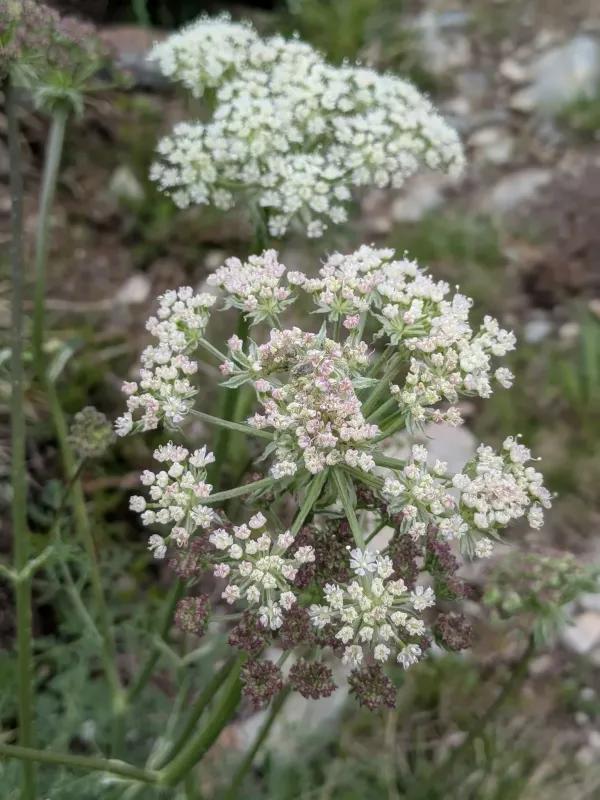
Description
Growing requirements
Haller's Laserwort (Laserpitium halleri) is a perennial herbaceous plant belonging to the Apiaceae family. It is naturally distributed in the subalpine and alpine regions of Europe, showcasing a high degree of adaptation to rocky terrains.
For successful cultivation, the plant requires well-draining, calcareous soils that mimic its natural mountain habitat. High soil porosity is essential to prevent root rot, which is the most common cause of failure in agricultural settings for this species.
The crop necessitates full sun exposure for optimal growth and phytochemical production. Unlike many shade-tolerant forest herbs, Haller's Laserwort thrives when exposed to the intense light typical of higher altitudes, which promotes compact and sturdy development.
Environmental conditions should ideally include cool temperatures, particularly at night, which reflect the alpine climate of its origin. It possesses high cold tolerance, making it suitable for regions with harsh winter conditions, provided it is protected from stagnant water during the spring thaw.
Regarding its utility, the plant is primarily researched for its chemical compounds in the pharmaceutical sector. Beyond its medicinal potential, it is highly regarded in specialized horticulture for rock gardens and botanical collections due to its distinct, feathery foliage.
Main diseases and pests
The main pathological threats include fungal infections such as root rot and stem blight, which thrive in humid and poorly aerated soils. Proper site selection and careful irrigation management are critical to minimizing these risks.
Insect pests include aphids and mites, which can infest the tender shoots during the spring growth phase. Integrated pest management, focusing on biological controls rather than harsh chemical pesticides, is recommended to preserve the integrity of the plant's natural extracts.