
Broad-leaved laserwort
Laserpitium latifolium
Description
Growing requirements
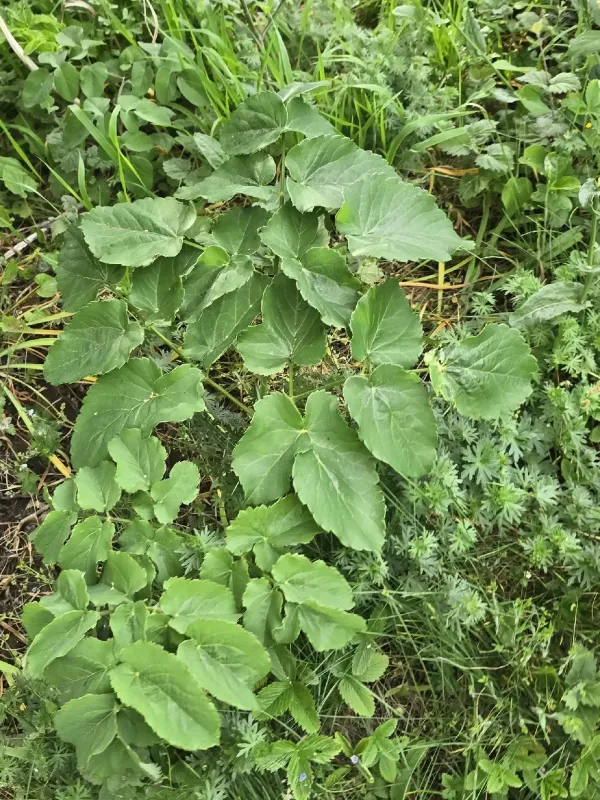
Broad-leaved laserwort (Laserpitium latifolium) is a robust perennial herb belonging to the Apiaceae family. It is characterized by its broad, pinnate leaves and tall, showy compound umbels that bloom during the mid-summer season.
Originating from European and Caucasian woodlands and rocky slopes, the plant is well-adapted to habitats rich in calcium. In agricultural settings, it thrives in well-drained, fertile soils that mimic its natural calcareous environment.
The plant exhibits excellent cold hardiness and is capable of surviving harsh winter conditions. It prefers locations with full sun to partial shade, where the balance of light ensures vigorous vegetative growth and strong stem development.
Cultivation requires minimal intervention once established, provided the soil is not prone to waterlogging. It is highly valued for its chemical diversity, containing various secondary metabolites that are of interest to the pharmaceutical industry.
When managing the crop, it is essential to ensure proper spacing to allow for airflow, as the plant can become quite large. It is considered a multi-purpose herb suitable for medicinal, aesthetic, and ecological projects.
Main diseases and pests
Like many plants in the Apiaceae family, Laserpitium latifolium may encounter challenges from fungal diseases, particularly powdery mildew, when environmental conditions become overly humid and stagnant.
Pests such as aphids can occasionally congregate on the tender parts of the plant during the early growth phase, which may necessitate monitoring to prevent secondary viral infections.
Root rot is a significant risk in poorly drained soil profiles. Proper site selection or the implementation of raised beds can mitigate these threats for long-term successful cultivation.
Agricultural management should focus on integrated pest management practices rather than heavy reliance on chemical pesticides, given the sensitivity of the species to various stressors.
Regular monitoring of the leaf surface and stem base is recommended during the growing season to catch early signs of pest infestation or fungal development before they become widespread.