
Laserpitium nitidum
Laserpitium nitidum
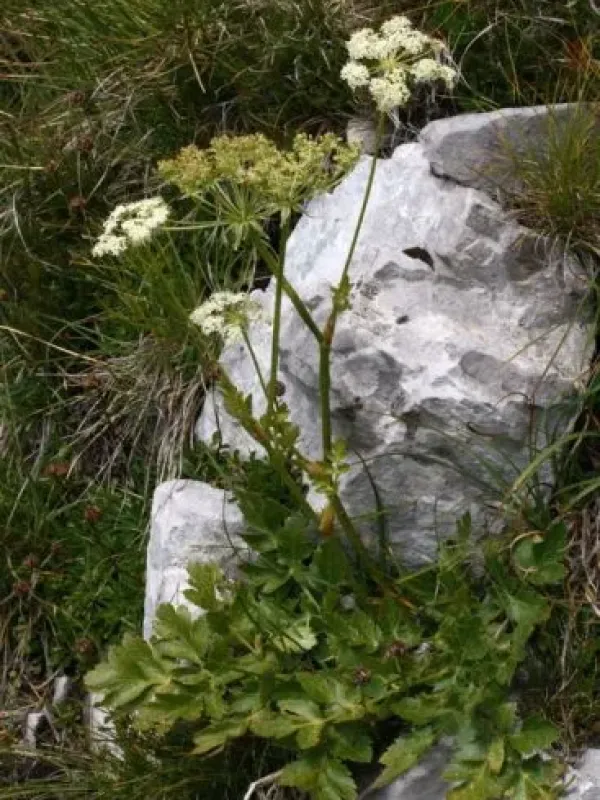
Description
Growing requirements
Laserpitium nitidum is a perennial herbaceous plant belonging to the Apiaceae family. It is typically found in high-altitude rocky environments and limestone slopes, displaying a unique adaptation to harsh alpine conditions.
The crop requires full sun exposure for optimal photosynthesis and developmental growth. It thrives best in environments that mimic its natural alpine habitat, specifically requiring plenty of light to maintain its characteristic shiny foliage.
Soil requirements for this plant are quite specific: it demands well-drained, porous soil with a high mineral content, specifically calcium. Heavy, clay-based soils should be avoided as they promote root rot and hinder the development of the taproot system.
Regarding climate, the plant is highly resilient to cold temperatures and frost. However, it is sensitive to prolonged periods of humidity, which can lead to metabolic issues and structural damage during the dormancy phase.
Cultivation management involves maintaining low soil fertility levels, as the plant is adapted to nutrient-poor environments. Regular weeding is necessary to prevent competition for resources, as the species has a relatively slow initial growth rate.
Main diseases and pests
The primary threats to Laserpitium nitidum involve soil-borne pathogens. Root and crown rot are particularly common when the soil moisture levels exceed the plant’s capacity for drainage, leading to significant yield losses.
Pest pressure from aphids and mites can be problematic in intensive cultivation scenarios. These pests target the succulent parts of the plant, potentially spreading viral diseases that the plant is otherwise susceptible to.
Mildew species can infect the foliage if the canopy density is too high. Improving airflow within the planting grid is a critical agronomic step to mitigate the risk of fungal outbreaks in humid years.
Gastropods, including slugs and snails, represent a persistent threat to young seedlings. Effective management often requires physical barriers or targeted baiting to protect the vulnerable leaves during the early stages of the crop cycle.
To ensure healthy development, integrated pest management strategies should be implemented. This includes regular crop monitoring, removing infected plant material, and ensuring optimal environmental conditions to maximize the plant's natural defenses.