
Giant Hogweed
Heracleum mantegazzianum Sommier & Levier
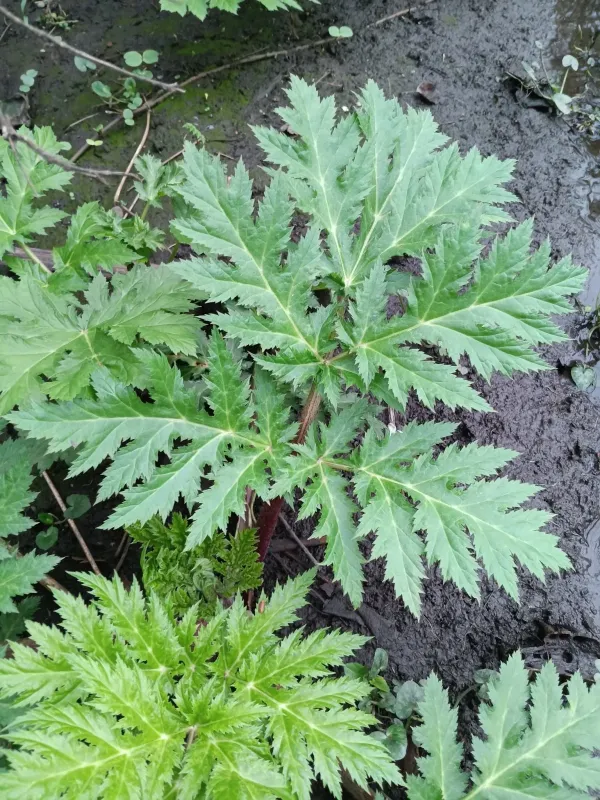
Description
Sowing dates
Giant hogweed propagates strictly through seeds, which are dispersed primarily by wind, water, and human activity during the autumn months.
Seeds require a period of cold stratification, typically throughout the winter, before they can germinate in the spring when temperatures rise.
The germination rate of these seeds is very high, allowing the plant to form dense stands that completely exclude other native plant species.
Effective management requires removing the plants before they reach the flowering stage to prevent the annual replenishment of the seed bank.
Because the seeds remain viable in the soil for several years, long-term monitoring and persistent eradication efforts are essential for control.
Growing requirements
This species belongs to the Apiaceae family and is recognized for its massive growth, sometimes reaching heights of up to 5 meters in optimal environments.
Giant hogweed thrives in nutrient-rich, moist soils and is frequently found along riparian corridors, roadside ditches, and neglected agricultural land.
While the plant prefers sunny areas, it displays a high degree of adaptability to various light conditions, which facilitates its colonization of diverse habitats.
It possesses a deep, robust taproot system that enables the plant to thrive even in challenging soil conditions while competing aggressively for water and minerals.
Its rapid growth cycle during the spring and summer allows it to outcompete native vegetation, turning open spaces into monocultures of hogweed.
Main diseases and pests
The plant contains potent furanocoumarins, which are phototoxic substances that cause severe skin blistering and burns when exposed to sunlight.
There are no significant natural pests or pathogens in its invasive range that provide effective biological control, leading to unchecked population growth.
Giant hogweed alters the local ecosystem through allelopathy, releasing chemicals into the soil that inhibit the germination and growth of neighboring plants.
From an agricultural standpoint, it poses a severe threat to livestock pasture productivity and complicates land maintenance due to its toxic nature.
Control measures often involve mechanical removal, including root excavation, and the strategic application of herbicides to target the plants during their active growth phase.