
Siberian cow parsnip
Heracleum sphondylium L.
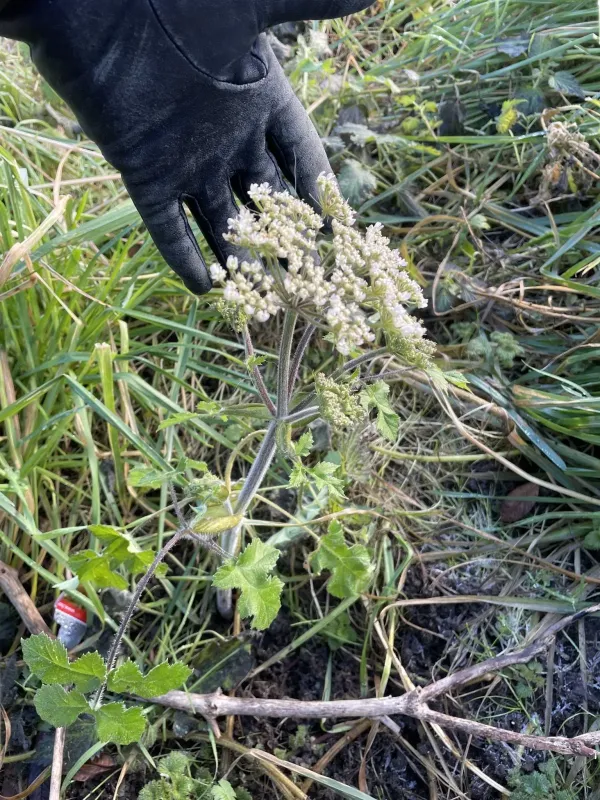
Description
Sowing dates
Siberian cow parsnip (Heracleum sphondylium L.) is a perennial herbaceous plant belonging to the Apiaceae family, historically valued in agriculture as a fodder crop.
The optimal time for sowing is during the late autumn period (before soil freeze) or very early spring, ensuring the seeds undergo natural cold stratification.
Seeds of this species require a specific period of cold to break dormancy, making direct soil sowing in autumn the most reliable and efficient practice.
The seeding rate typically ranges from 12 to 15 kilograms per hectare, with the burial depth maintained between 2 and 4 centimeters depending on soil texture.
Ensuring proper soil-to-seed contact via firming the ground after sowing is crucial for maintaining moisture and achieving high and uniform germination rates.
Growing requirements
This species is well-adapted to moderate climates, demonstrating high frost resistance and the ability to thrive under significant temperature fluctuations.
It performs best on nutrient-rich, well-drained, and moisture-retaining soils with a neutral pH level, avoiding stagnant water or excessively waterlogged conditions.
The crop is sensitive to competition, so early-stage weed management and inter-row cultivation are vital for promoting root system development and plant vigor.
Adequate sunlight is essential for optimal growth; therefore, it should be cultivated in open fields away from tree lines to prevent shading and yield loss.
Balanced fertilization, particularly the application of organic manure or potassium-based fertilizers, helps sustain long-term productivity across multiple seasons.
Yield
The biomass yield of Siberian cow parsnip is highly productive, capable of delivering 400 to 600 decitonnes per hectare under intensive cultivation systems.
The plant is highly regarded for its nutritional profile, containing essential proteins, sugars, and mineral elements that improve livestock feed quality.
It is primarily processed into silage, providing a palatable and energy-dense food source that is highly beneficial for dairy cattle and other livestock.
Consistent yield management, including proper harvesting times, ensures high dry matter intake and supports better weight gain in grazing animals throughout the year.
The crop's rapid growth cycle allows for multiple harvests or grazing sessions when managed correctly, contributing to a stable and reliable annual forage supply.
Main diseases and pests
Primary threats to the crop include various insect pests, particularly larvae of the umbellifer moth, which can damage flowers and foliage, hindering seed production.
Powdery mildew may occur in damp, stagnant environments, necessitating effective site drainage and good air circulation as primary preventive strategies.
Root rot is often a result of overwatering or soil compaction, which necessitates careful monitoring of drainage systems to prevent the development of fungal pathogens.
Integrated pest management, including crop rotation and the removal of secondary host plants, is recommended over heavy chemical applications.
- Regular inspection of leaf surfaces and umbels for pest presence.
- Applying phosphorus and potassium to boost inherent plant resistance.
- Selecting certified seed lots to ensure disease-free initial stands.
Harvesting
Harvesting for forage should occur during the budding stage, just before flowering, to maximize the protein content and overall digestibility of the biomass.
Mechanical harvesting using forage harvesters is the most effective method, allowing for quick processing and immediate delivery to the silage pit or bunker.
It is critical to harvest at the right time; delaying harvest into the blooming phase leads to increased lignin content, which significantly reduces fodder palatability.
When cutting the crop, maintaining an appropriate height is essential to protect the root crown, ensuring the plant can successfully regenerate in subsequent seasons.
Seed harvesting is conducted separately on designated seed production plots, where central umbels are harvested once they turn brown to ensure full maturity.