
Eryngium floribundum
Eryngium floribundum
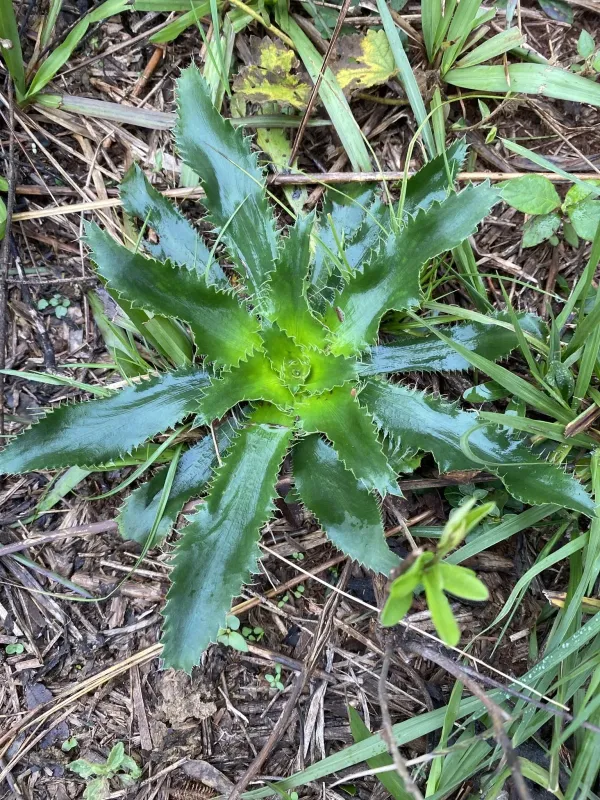
Description
Sowing dates
Eryngium floribundum is primarily propagated through seeds, which require specific stratification periods to overcome natural dormancy before successful germination.
Sowing in open fields is best performed during late autumn, allowing the natural winter cold to prepare the seeds for active growth in the following spring.
For greenhouse production, seeds should be sown in early spring in well-drained substrates at temperatures ranging between 15 and 20 degrees Celsius.
Transplanting seedlings to their final location is recommended once the danger of late frost has passed and the root system is well-established.
Space the plants adequately to ensure optimal air circulation, which helps prevent the development of moisture-related fungal pathogens within the plantation.
Growing requirements
Belonging to the Apiaceae family, Eryngium floribundum thrives in well-draining, sandy-loam soils and is highly adapted to sunny, open landscapes.
The plant demonstrates significant tolerance to drought conditions due to its deep taproot system, making it suitable for low-input agricultural systems.
Optimal development occurs in environments with neutral to slightly alkaline soil pH and high levels of solar exposure throughout the vegetative cycle.
Excessive moisture is the primary factor limiting the growth of this species; therefore, site selection must prioritize areas with natural sloping or drainage.
Fertilization should be kept to a minimum as excessive nitrogen application can lead to lush vegetative growth at the expense of medicinal quality and winter hardiness.
Main diseases and pests
Root rot caused by stagnant groundwater or poor drainage remains the most significant threat to the overall survival and productivity of the crop.
In high-humidity environments, powdery mildew may manifest on the foliage, necessitating chemical or biological control methods to preserve plant vigor.
Pests such as spider mites and aphids are frequently encountered during hot and dry spells, requiring regular monitoring and targeted management practices.
Preventive measures include the application of copper-based fungicides early in the growing season and ensuring the spacing between rows is sufficient.
Crop rotation protocols should be strictly followed to minimize the accumulation of soil-borne pathogens that thrive in permanent plantings of Apiaceae.
Harvesting
Harvesting for medicinal and commercial purposes occurs at the peak of flowering, as this is when the concentration of essential active compounds is highest.
The aerial parts of the plant are typically mown, taking care to maintain the basal rosette to ensure the longevity of the plant for future harvest seasons.
Post-harvest processing involves rapid drying in shaded, ventilated areas to maintain the distinctive color and medicinal properties of the harvested material.
Industrial applications include its use in pharmacology as a natural anti-inflammatory agent and in the decorative sector as a durable ornamental dried flower.
Quality control during drying and storage is essential; the product must remain protected from humidity to prevent microbial growth and chemical degradation.