
Eryngium billardierei
Eryngium billardierei
Eryngium billardierei is a perennial herbaceous plant belonging to the Apiaceae family. It is native to the arid regions of the Middle East and the Caucasus, where it has adapted to harsh environmental conditions.
What the section contains
Eryngium billardierei
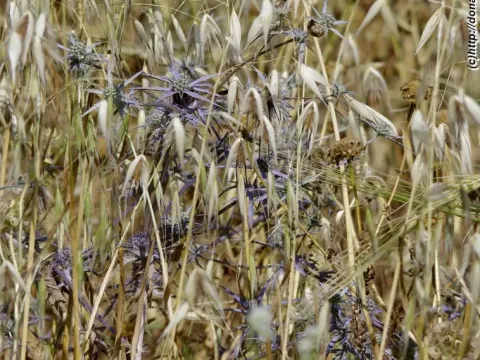
Botanically, the plant features a basal rosette of spiky, deeply lobed leaves and rigid, branching stems. Its flower heads are surrounded by sharp, stiff bracts that often develop a distinct metallic blue hue during the peak of flowering.
This species is highly demanding in terms of light exposure. It thrives in full sun, which is crucial for maintaining its structural integrity and the vibrant coloration of its inflorescences throughout the growing season.
Regarding soil requirements, Eryngium billardierei prefers poor, sandy, or rocky soils with excellent drainage. It is highly sensitive to waterlogged conditions, which can lead to rapid root rot and plant mortality.
The plant is exceptionally drought-tolerant once established, making it an ideal choice for xeriscaping or rock gardens. It does not require frequent irrigation and performs well even in periods of prolonged high temperatures.
The primary threat to the health of Eryngium billardierei is excessive moisture, which promotes fungal infections. Poor drainage in the root zone is the most frequent cause of plant decline in horticultural settings.
Powdery mildew can occur if the plant is grown in areas with poor airflow and high humidity. Ensuring adequate spacing between plants and planting in a well-ventilated, sunny location is the best preventative measure.
Aphids can occasionally infest young shoots, particularly during the early spring development phase. Monitoring the plant and applying appropriate horticultural soaps can effectively control small localized infestations.
Root-feeding nematodes and soil-borne insects can be problematic in areas with high pest pressure. Maintaining healthy, well-draining soil and avoiding monoculture practices can help manage these subterranean threats.
Generally, this species is considered a low-maintenance plant. Its natural hardiness significantly reduces the need for chemical intervention, provided that the initial site selection and drainage preparation are handled correctly.
Eryngium billardierei is primarily utilized in ornamental gardening and the floral industry. It is highly valued as a structural element in fresh arrangements and as a premier choice for high-quality dried flower bouquets.
Harvesting is performed during the peak flowering stage when the bracts have fully matured and developed their signature color. Stems should be cut in dry weather to ensure that the material does not rot during the drying process.
For dried use, stems should be hung upside down in a dark, airy location. This method preserves the plant's rigid shape and blue tint, allowing it to maintain its aesthetic appeal for extended periods indoors.
In landscaping, this species serves as a stunning architectural focal point. It is frequently incorporated into gravel gardens, perennial borders, and designs that prioritize water conservation and biodiversity.
Seed collection is viable once the flower heads have completely browned on the stalks. Properly harvested and cleaned seeds retain their viability for the following season if stored in a cool, dry environment.