
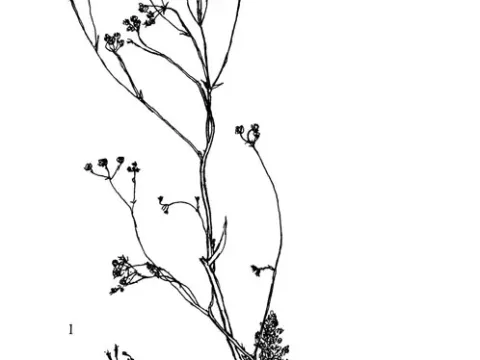
Chaerophyllum aurantiacum
Chaerophyllum aurantiacum
Chaerophyllum aurantiacum belongs to the Apiaceae family. Sowing in temperate climates is recommended for late autumn or early spring, as soon as soil temperatures reach 5-8 degrees Celsius.
What the section contains
Chaerophyllum aurantiacum
Seeds require a period of stratification at low temperatures for approximately one month to ensure uniform germination. Planting depth in well-drained soil should be kept between 1 to 2 centimeters.
For commercial farming, maintaining a spacing of 45-60 centimeters between rows is essential. This setup ensures proper air circulation and provides enough space for mechanical maintenance tasks.
The ideal planting window is when the risk of night frosts is minimal. As the crop shows slow growth during its initial development stages, consistent weed control is necessary for a successful stand.
Thinning should be performed after the appearance of two sets of true leaves. Keeping a distance of 20-30 centimeters between individual plants ensures optimal nutrient and water availability for each plant.
This crop prefers well-lit areas but can tolerate partial shade during peak sun hours. It is crucial to provide protection against strong winds, which can easily damage the stems and foliage of this delicate plant.
Soil requirements focus on high organic matter content and a neutral pH level. Loamy or chernozem soils that offer excellent water drainage are preferred to prevent waterlogging around the root system.
Regular watering is necessary, especially during the active growth and flowering phases. Excessive moisture can lead to root rot, a common issue for many species within the Apiaceae family.
The plant responds well to phosphorus and potassium-rich fertilizers during the budding stage. Nitrogen-based fertilizers should be applied with caution to avoid excessive vegetative growth over root development.
Temperatures between 18-22 degrees Celsius are optimal for development. Under extreme heat exceeding 30 degrees, growth slows down, necessitating additional irrigation to mitigate heat stress.
The total yield of Chaerophyllum aurantiacum depends heavily on soil fertility and the quality of agronomic practices. Under intensive farming, a significant output can be achieved per hectare.
Both aerial parts and roots hold economic value depending on the intended use. Maximum productivity is typically observed in the second year of growth when the plant has established mature rhizomes.
Periodic harvesting of the green mass encourages branching and higher yields. High productivity is consistently maintained through the use of balanced mineral fertilizers and appropriate crop rotation schedules.
Yield figures may vary depending on local weather and climatic conditions. With consistent moisture management, crop production remains stable for 3 to 4 years following initial establishment.
Harvesting for pharmaceutical or culinary purposes requires strict adherence to timing. The concentration of essential oils peaks at specific developmental phases, which must be targeted for optimal quality.
The primary threats to this crop include fungal pathogens such as powdery mildew and various root rot diseases. High humidity and poor spacing significantly increase the risk of these infections spreading.
Pests such as carrot flies and aphids pose the greatest threat to the foliage and stems. Integrated pest management, including biological controls and targeted insecticides, should be used during early growth stages.
Nematode infestations can damage the root system, leading to stunted plant growth. Maintaining strict crop rotation and using certified healthy seed material is the best defense against soil-borne pests.
Wireworms can cause significant damage to the roots, creating entry points for secondary bacterial infections. Deep autumnal soil cultivation helps reduce soil-dwelling pest populations before planting.
Regular field monitoring is essential for early detection of potential outbreaks. Removing weeds is also crucial as they can serve as secondary hosts for both viral diseases and various insect pests.
Harvesting of the foliage should be conducted during the peak flowering phase when active compounds are at their maximum concentration. Using sharp tools ensures minimal damage to the growth point.
Rhizomes are harvested in late autumn after the vegetation cycle has ceased. At this stage, the roots are fully mature and contain the optimal amount of chemical components for commercial processing.
Post-harvest, the product must be cleaned of soil and washed thoroughly. Drying should occur in shaded, well-ventilated areas to preserve the integrity of essential oils and other delicate properties.
For long-term storage, the root mass can be processed through freeze-drying techniques. Proper storage conditions, avoiding high temperatures and direct light, are vital to preventing quality degradation.
Harvesting is best carried out in the morning hours after dew has evaporated but before the heat of the day. This minimizes moisture content, simplifying post-harvest handling and preservation efforts.