
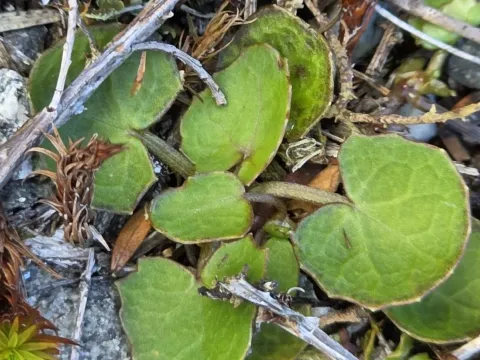
Centella uniflora
Centella uniflora
Centella uniflora is a perennial herbaceous plant classified within the Apiaceae family. It is recognized for its creeping growth habit, which allows it to function effectively as a ground cover in specific humid environments.
What the section contains
Centella uniflora
The botanical structure includes nodes at intervals along the stems, which serve as sites for adventitious root development. This morphology allows the plant to spread rapidly across the surface of moist, nutrient-rich soils.
Optimal cultivation requires a location with consistent moisture and protection from direct, intense sunlight. Soil should be well-draining yet capable of retaining sufficient water to maintain the metabolic activity of the foliage.
Climatic requirements involve a warm, frost-free environment to sustain year-round growth. Temperature fluctuations should be minimized, as sudden cold spells can significantly retard the development of tender shoots.
The primary agricultural application of this species is in the botanical extract industry. The plants are harvested for their rich content of bioactive compounds, which are extracted for pharmaceutical and cosmetic formulations.
Fungal pathogens represent the most significant threat to crop health, especially during periods of high humidity. Root rot and leaf spot diseases are common issues that occur when air circulation within the canopy is insufficient.
Insects such as aphids and spider mites frequently target the succulent leaves of the plant. These pests thrive in greenhouses or poorly ventilated fields, causing significant damage through sap extraction and physical injury.
Slugs and snails pose a particular risk to seedlings and young plants, as they consume soft tissue rapidly. Implementation of physical barriers or targeted biological control methods is necessary in areas with high pest pressure.
Effective management includes maintaining a clean growing area and performing regular inspections of the plant stock. Early detection of symptoms is essential to prevent the spread of diseases across the entire planting bed.
Implementing a proper irrigation schedule is the most effective way to prevent soil-borne diseases. Avoiding overhead watering during the late afternoon helps to keep the foliage dry, reducing the incidence of infection.