
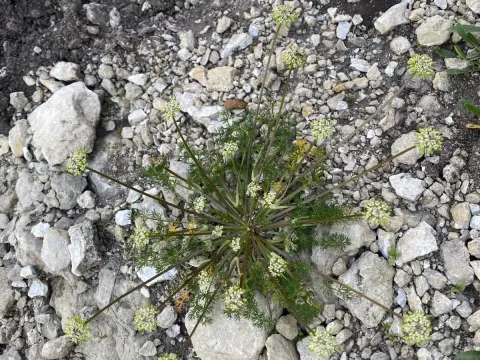
Chamaesciadium
Chamaesciadium
Chamaesciadium is a genus of perennial herbaceous plants belonging to the Apiaceae family. These plants are indigenous to the high-altitude regions of the Caucasus and parts of Asia Minor, where they thrive in harsh, montane conditions.
What the section contains

Chamaesciadium
The cultivation of this species requires a substrate that mimics natural alpine conditions, specifically well-drained, gritty, and mineral-rich soils. They are intolerant to heavy, clay-based soils that retain moisture and inhibit essential root aeration.
Climatic requirements are strict: the plants demand a cool growing season with high intensity of solar radiation. Attempts to grow them in low-lying, hot, and humid areas often result in the rapid decline of the plants due to thermal stress and atmospheric humidity.
Botanically, Chamaesciadium features a compact rosette of finely divided leaves and umbelliferous inflorescences. This morphology is an evolutionary adaptation to strong mountain winds and the necessity for rapid growth during a very short summer season.
The economic potential of this genus is mainly found in its biochemical profile. As a rare member of the celery family, it is being studied for unique compounds that could be utilized in pharmaceutical research and as potential niche ornamental additions for alpine gardens.
The most significant threats to the survival of Chamaesciadium in cultivation are fungal diseases associated with poor drainage, particularly root rot. Maintaining a proper balance of irrigation is crucial to prevent the onset of these devastating pathogens.
Pests that commonly affect members of the Apiaceae family also pose a threat. Aphids often colonize the tender young leaves and flower stalks, while certain beetles may target the developing reproductive parts, which can limit seed viability and overall plant vigor.