
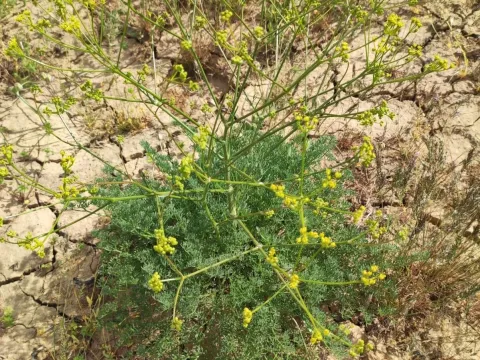
Caspian ferula
Ferula caspica
Caspian ferula (Ferula caspica) is a perennial herb belonging to the Apiaceae family. It is a highly specialized plant species, naturally occurring in arid and semi-arid environments where water availability is significantly limited throughout the year.
What the section contains
Caspian ferula
The plant possesses a robust, deep taproot system that enables it to reach deep-seated moisture. Its foliage is highly dissected, which is a classic adaptation of xerophytes to reduce water loss through transpiration while maintaining structural integrity.
The cultivation of this crop requires well-drained, sandy, or rocky soils with a neutral pH. Proper soil aeration is essential for the healthy development of the plant, as waterlogging is the most common cause of crop failure in this species.
Caspian ferula thrives in regions with intense solar exposure and high summer temperatures. It is highly resistant to drought and requires minimal irrigation once the root system has been well established in the field.
In terms of economic use, the species is valued for its oleo-gum resin, which is harvested for pharmaceutical purposes. Its compounds are utilized for their therapeutic properties, making it a niche but valuable crop for specialized agricultural sectors.
The primary threats to Caspian ferula include root rot and fungal pathogens caused by improper drainage or excessive soil moisture. Maintaining the dryness of the rhizosphere is the most effective preventative measure against these diseases.
Insect pests, such as soil-dwelling larvae, pose a significant risk to young seedlings. Effective crop management should include monitoring for pest activity during the early growth stages when the plants are most vulnerable to damage.
Weed management is vital during the initial establishment period because the plant grows slowly and lacks competitive vigor against faster-growing weeds. Manual weeding or careful mechanical cultivation is recommended to prevent resource depletion.
Integrated Pest Management (IPM) strategies are highly encouraged to minimize chemical intervention. This approach ensures that natural predators remain present to control aphid populations that may infest the flowering stems.
Periodic inspections for leaf spots or signs of blight should be conducted, especially if humidity levels rise abnormally during the growing season, to ensure the long-term health and productivity of the harvest.