
Caucalis
Caucalis
Caucalis belongs to the Apiaceae family. It is widely recognized in agriculture not as a primary crop, but as a persistent weed that impacts the development of various grain and field crops.
What the section contains


Caucalis
The plant typically germinates in early spring when the soil temperature stabilizes between 6 and 10 degrees Celsius, allowing it to compete effectively with newly sown crops.
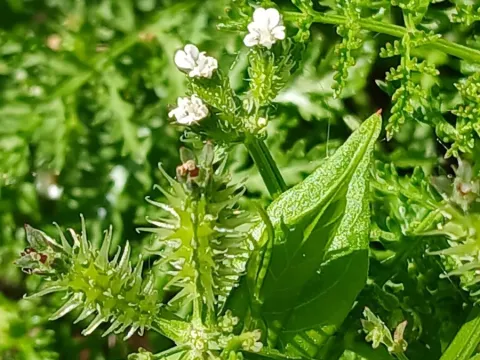
The vegetative period is characterized by the rapid formation of basal rosettes followed by the emergence of stems, which are often covered with characteristic bristles.
Its seeds possess hooks or burrs that facilitate dispersal via agricultural machinery, animals, and human activity, making it a difficult weed to eradicate permanently.
Proper agronomic planning requires immediate intervention during the early seedling stage to prevent the plant from establishing its deep root system.
Caucalis thrives in a variety of soil conditions but shows a preference for nutrient-rich, sunny environments. It is particularly aggressive in fields with high nitrogen content.
Climatic requirements are flexible, with the plant demonstrating high tolerance to moderate droughts, although it prefers temperate regions with sufficient humidity during the growing cycle.
Light availability is the primary factor limiting the density of Caucalis populations; it tends to disappear in areas where the canopy of the main crop is fully closed.
Soil pH levels should generally be neutral to slightly alkaline for optimal growth. High calcium content in the soil is frequently associated with increased vigor in these plants.
In terms of agricultural management, maintaining healthy crop rotation and ensuring rapid early growth of the primary crop are the most effective non-chemical strategies.
The plant is susceptible to pests typical for the Apiaceae family, such as aphids, which cause significant damage by draining sap and potentially spreading viral diseases.
Fungal diseases, including powdery mildew and various leaf spot pathogens, are common threats, especially when weather conditions promote prolonged foliage moisture.
Caucalis often acts as a host for pests and diseases that affect commercial vegetable crops like carrots and celery, creating a risk for adjacent horticultural sectors.
Management strategies involve the use of specialized herbicides targeting broad-leaved weeds or systematic mechanical cultivation between rows.
Integrated Pest Management (IPM) practices are highly recommended to reduce the reliance on chemical inputs while maintaining the overall health of the agricultural ecosystem.