
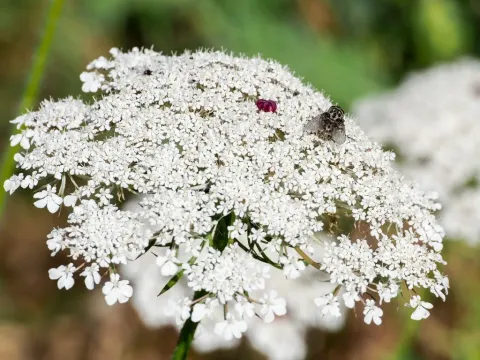
Black-flowered carrot
Daucus melananthus
The black-flowered carrot (Daucus melananthus) is a distinct species within the Apiaceae family. Unlike common domesticated carrots, this species has specific requirements for propagation and sowing that reflect its biological nature.
What the section contains
Black-flowered carrot
Seed germination is often enhanced by a cold stratification period. Sowing should be carried out in early spring, as soon as the soil is workable and temperatures are consistently above 10 degrees Celsius.
Seeds should be sown at a shallow depth of approximately 1 centimeter. Because the seeds are tiny, they require a well-prepared seedbed with fine soil particles to ensure optimal contact for moisture absorption.
Space the rows at least 30 to 45 centimeters apart. Adequate spacing is crucial for this species to ensure proper airflow, which prevents the development of fungal pathogens and allows the plant to develop a healthy root system.
Regular watering is essential after sowing. The soil should remain consistently moist until the seedlings emerge, as these plants are particularly sensitive to desiccation during the germination phase.
This crop thrives in loose, well-drained, and fertile soils. A sandy loam texture is ideal, as it allows the root to penetrate deeply without physical obstruction, ensuring a straight and well-developed shape.
The optimal pH range for this species is slightly acidic to neutral. If the soil is too acidic, it is recommended to amend it with agricultural lime several months before planting to ensure nutrient availability.
Climatically, the plant prefers temperate conditions. While it is hardy enough to withstand cool weather, excessive heat can lead to a rapid shift in the growth cycle, which may negatively affect root sugar accumulation.
Balanced fertilization is key to success. High levels of nitrogen should be avoided, as this promotes excessive foliage development at the expense of root production, potentially leading to lower overall crop yield.
Sunlight exposure is critical. These plants require full sun for at least six to eight hours per day to perform efficient photosynthesis and maintain the vigor necessary to resist environmental stresses.
Carrot rust flies are the most significant pest concern for this crop. Their larvae burrow into the root, creating tunnels that not only ruin the appearance of the carrot but also provide entry points for secondary infections.
Fungal diseases like leaf blight and various forms of root rot are common, especially in environments with poor drainage. These pathogens thrive when the foliage remains wet for prolonged periods after rainfall.
Weeds pose a severe threat, particularly during the early stages of growth when the seedlings are vulnerable. Weeding must be performed manually or with light tools to avoid damaging the developing root system.
Crop rotation is an essential preventive practice. Planting this species in the same soil more than once every four years significantly increases the likelihood of soil-borne diseases and pest infestation.
Monitoring for aphids and mites is advised throughout the summer months. These sap-sucking insects can weaken the plant and serve as vectors for various viral diseases that significantly reduce harvest quality.