
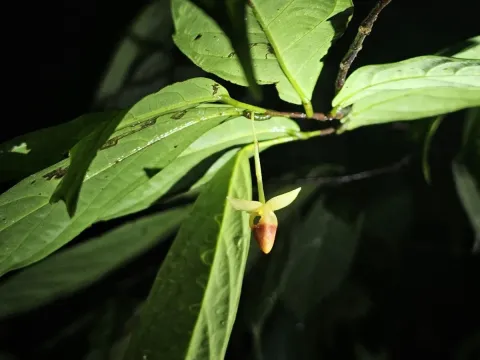
Orophea
Orophea
The genus Orophea comprises evergreen trees and shrubs belonging to the Annonaceae family, native primarily to the tropical forests of Southeast Asia. In cultivation, propagation is typically achieved through fresh seeds, which require specific conditions to break dormancy.
What the section contains

Orophea
Successful germination depends on maintaining a substrate temperature between 25 and 28 degrees Celsius. The soil mix should be porous and rich in organic matter to mimic the natural forest floor environment.
When propagating via cuttings, semi-hardwood stems are selected and treated with rooting hormones. This process is time-consuming and requires a high-humidity environment to prevent dehydration of the plant tissue.
Seedlings need protection from intense light and should be kept in a stable, draft-free environment during their early growth stages to ensure the development of a healthy root system.
The transition from a nursery container to a larger pot or permanent location should be done carefully to avoid root disturbance, as species within this genus are often sensitive to transplant shock.
As a tropical genus, Orophea demands high temperatures and consistent moisture levels. The plant is unable to tolerate temperatures below 15 degrees Celsius, making greenhouse cultivation essential in temperate climates.
Light requirements are characterized by a need for bright, filtered sunlight. Exposure to direct midday sun in high-temperature regions can lead to leaf scorching and premature foliage loss.
Soil quality must be high, with an emphasis on drainage. The ideal substrate is a blend of peat, perlite, and humus, maintaining a slightly acidic pH level, which supports the absorption of vital micro-nutrients.
Humidity must be kept consistently high, ideally above 70 percent. In lower humidity environments, regular misting or the use of humidifiers is necessary to keep the plant in an optimal physiological state.
Regular fertilization with a balanced liquid fertilizer during the peak growth season helps sustain the plant’s vigor and encourages the development of its characteristic blossoms.
Spider mites are the most frequent pests, thriving in dry, warm conditions. They can cause significant damage by feeding on the sap of the underside of leaves, leading to yellowing and leaf drop.
Scale insects also pose a threat, often clustering along the stems and veins of the leaves. Manual removal combined with horticultural oils is a common control measure.
Fungal diseases, specifically root rot, occur when drainage is insufficient or when the soil remains waterlogged for extended periods. This is often the primary cause of plant death in domestic or greenhouse settings.
Leaf spot diseases, caused by various pathogens, can appear if the canopy is too dense and lacks adequate airflow. Pruning to maintain plant structure can improve ventilation and reduce disease pressure.
Integrated pest management strategies are recommended, focusing on early detection through frequent inspections and the use of appropriate, eco-friendly chemical controls when necessary.