
Polyalthia persicifolia
Polyalthia persicifolia
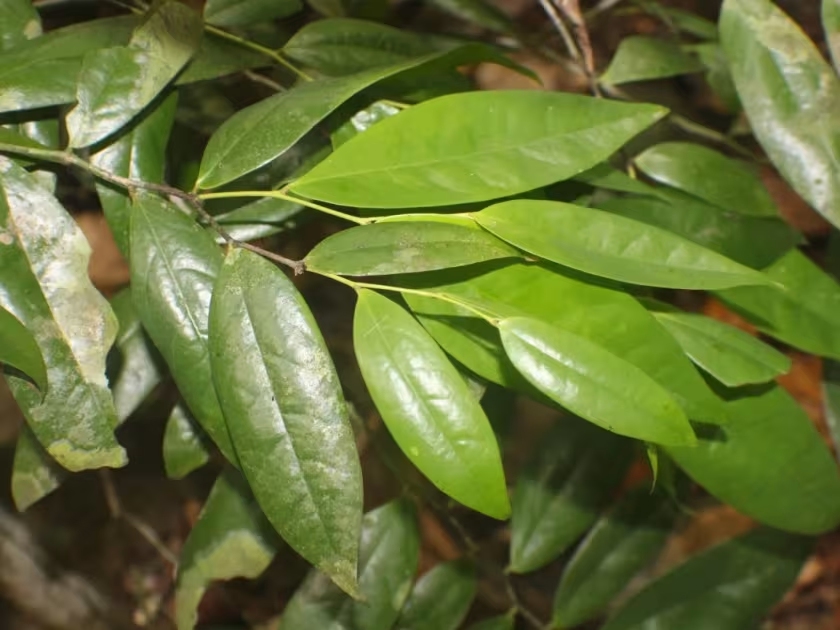
Description
Growing requirements
Polyalthia persicifolia is a distinguished member of the Annonaceae family, known for its elegant foliage and resilient growth habit. As a woody perennial, this species is well-adapted to the humid environments characteristic of its native habitats in Southeast Asia.
The plant thrives in equatorial climates where temperatures remain consistently warm, typically between 22°C and 30°C. It requires an environment with high atmospheric humidity to prevent leaf desiccation and to maintain optimal metabolic rates throughout the year.
Soil requirements for successful cultivation include well-draining, nutrient-dense substrates. Loamy soils rich in organic matter are ideal, as they provide the necessary structure for root development while preventing the waterlogging that can lead to root rot in this tropical species.
Agricultural management of Polyalthia persicifolia emphasizes the importance of moisture control. While the plant requires consistent watering, it is essential to allow for proper drainage, especially in juvenile stages when the root system is developing its foundational strength.
Light management is another critical factor. While it prefers bright, indirect light, exposure to harsh, direct sunlight during peak hours can cause leaf scorch. Providing partial shade, particularly for young trees, is recommended to ensure healthy canopy formation and uniform leaf growth.
Main diseases and pests
Common threats to this culture include fungal infections that manifest during periods of excessive moisture and poor air circulation. Proper spacing between trees and timely pruning of overcrowded branches can significantly reduce the risk of pathogens spreading within the plantation.
Pest management should focus on monitoring for sap-sucking insects, such as aphids and scale insects, which can weaken the tree. Integrated pest management (IPM) strategies, including the use of biological controls and horticultural oils, are effective in maintaining crop health without damaging the ecosystem.
Harvesting
The primary utility of Polyalthia persicifolia lies in its wood production and potential medicinal properties. The timber is valued for specific construction and craft purposes due to its moderate density and durability in humid environments.
The harvesting process involves sustainable thinning and selective pruning to maximize long-term yields. Furthermore, extracts derived from the foliage and bark are being studied for their bio-active compounds, presenting a potential economic niche in the botanical extraction industry.