
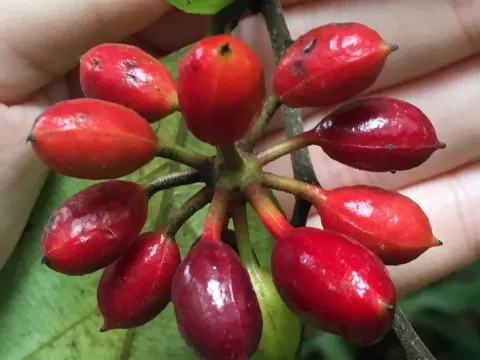
Phaeanthus
Phaeanthus
Phaeanthus is a genus of tropical trees and shrubs belonging to the Annonaceae family. Naturally occurring in Southeast Asia, these plants thrive in the humid forest ecosystems of regions such as the Philippines and Vietnam.
What the section contains
Phaeanthus
This crop requires a tropical climate characterized by consistently high temperatures and significant humidity. It is extremely sensitive to cold stress, making it unsuitable for cultivation in temperate climates unless grown in controlled greenhouse environments.
The ideal soil for Phaeanthus is rich in organic matter, well-drained, and slightly acidic to neutral in pH. The plant performs best in environments that mimic the floor of a tropical rainforest, providing both moisture and nutrient availability.
In terms of light exposure, Phaeanthus is adapted to understory conditions, meaning it prefers filtered sunlight rather than direct exposure. Providing too much light can lead to leaf scorching, while insufficient light may limit photosynthetic activity.
Cultivation practices involve regular fertilization and careful water management. Since the plant is sensitive to waterlogging, irrigation must be precise, ensuring the root system receives moisture without developing anaerobic conditions.
Phaeanthus is susceptible to several common tropical pests, including scale insects and mealybugs. These organisms drain sap from the plant, weakening the overall structure and potentially spreading viral infections between individual plants.
Fungal pathogens such as leaf spot and various root rots pose a significant threat, especially when humidity levels remain excessively high without adequate ventilation. These infections can lead to rapid deterioration of the canopy and loss of yield.
Physiological disorders often arise from incorrect irrigation strategies. Excessive moisture leads to root suffocation, which often manifests as leaf chlorosis and the premature drop of healthy foliage, severely hindering plant growth.
Effective management includes regular monitoring of leaves and stems for early signs of infestation. Integrated Pest Management (IPM) practices, such as the introduction of natural predators or targeted organic pesticides, are highly recommended.
Sanitation is a critical component of Phaeanthus maintenance. Pruning infected branches, sterilizing tools, and ensuring proper airflow within the canopy are essential steps to prevent the spread of localized diseases in a cultivation setting.