
Oxandra
Oxandra
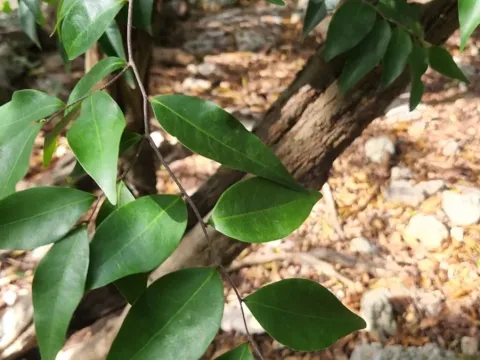
Oxandra is a genus of evergreen trees and shrubs belonging to the Annonaceae family. These plants are native to the tropical forests of Central and South America, thriving in biodiversity-rich environments.
What the section contains

Oxandra
The climate requirements for Oxandra are strict, as they are adapted exclusively to tropical regions. They require high and stable temperatures throughout the year, with virtually no frost tolerance in their development cycle.
Soil conditions are essential for proper growth. These trees prefer deep, fertile, and well-drained soils. They do not tolerate waterlogging, which often leads to root rot in poorly managed plantations or wild stands.
High relative humidity is a prerequisite for healthy vegetation. The plants rely on frequent precipitation patterns, typical of rainforest climates, to maintain their physiological processes and leaf turgor.
Regarding light, young Oxandra specimens typically grow in the understory of mature forests. Therefore, providing partial shade during the establishment phase is a recommended practice to avoid physiological stress from excessive solar radiation.
The primary economic output of the Oxandra genus is its dense, highly resilient wood, commercially referred to as 'lancewood'. It is renowned globally for its exceptional structural integrity and flexibility.
In traditional and modern manufacturing, the wood is utilized for high-performance items such as archery bows, billiard cues, and fishing rods. Its natural elasticity makes it superior to many synthetic alternatives.
The harvesting cycle is dictated by the tree's slow growth rate. Sustainable management is vital, as extracting timber requires selective harvesting techniques to preserve the forest ecosystem and allow for natural regeneration.
Research into the biochemical composition of Oxandra species is ongoing, focusing on secondary metabolites. Certain parts of the plant exhibit potential properties for medical applications due to unique alkaloid profiles.
Agro-forestry strategies for this crop should prioritize the maintenance of the ecological balance. Combining timber production with environmental conservation ensures that these valuable tropical species remain viable for future generations.