
Polyalthia suberosa
Polyalthia suberosa
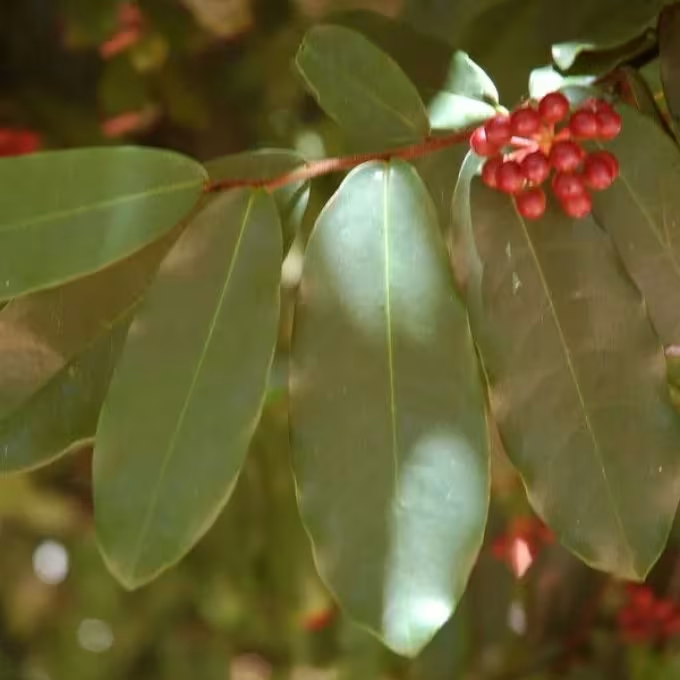
Description
Growing requirements
Polyalthia suberosa, often known as the cork-barked tree, belongs to the Annonaceae family. It is a native species to the tropical forests of South and Southeast Asia, flourishing in regions ranging from India to the Philippines.
This species requires a tropical climate with consistent temperatures. It thrives in high-humidity environments and is highly sensitive to cold stress, making it unsuitable for cultivation in temperate climates without protection.
The soil should be nutrient-rich and well-draining, mimicking the forest floor conditions of its native habitat. A neutral to slightly acidic pH is ideal for promoting healthy root development and efficient nutrient uptake.
In terms of light exposure, Polyalthia suberosa prefers partial shade or dappled sunlight. Young plants, in particular, are prone to leaf scorching when exposed to intense, direct tropical sunlight.
Botanically, it is distinguished by its unique corky, deeply furrowed bark. The foliage is typically evergreen, with glossy, lanceolate leaves that contribute to the plant's elegant appearance throughout the year.
Yield
The primary utility of Polyalthia suberosa is medicinal. In traditional medicine systems, its bark and roots are extracted to prepare remedies known for their potential anti-bacterial and anti-inflammatory properties.
In landscaping, the tree serves as an ornamental specimen valued for its interesting bark texture and compact growth habit, making it suitable for parks and private tropical gardens.
Its small, dark fruits are consumed by local bird species and wildlife, which facilitates seed dispersal and plays a vital role in local forest ecosystem health.
Phytochemical studies have highlighted the tree as a subject of interest for pharmaceutical research, specifically regarding its ability to synthesize specific alkaloids that show promise in medical trials.
While not a traditional cash crop, the cultivation of this species supports sustainable forestry practices and preserves traditional knowledge regarding the medicinal uses of native flora.
Main diseases and pests
The most significant threats to Polyalthia suberosa include fungal infections like leaf spot, which proliferate rapidly during periods of excessive rainfall or poor air circulation in nursery settings.
Insect pests such as scale insects and aphids are common concerns. These pests weaken the plant by feeding on phloem sap, often leading to stunted growth and providing entry points for viral or fungal infections.
Root rot is a critical risk factor caused by waterlogged soil conditions. Proper site selection and drainage management are essential to prevent this often-fatal issue in juvenile and mature trees alike.
Integrated pest management, including the use of horticultural oils and promoting natural predators, is the recommended strategy for maintaining health in managed populations.
Conservation efforts are vital to protect natural populations from deforestation and land-use changes, as these factors threaten the biodiversity and habitat connectivity of this unique species.