
Anemone speciosa
Anemone speciosa
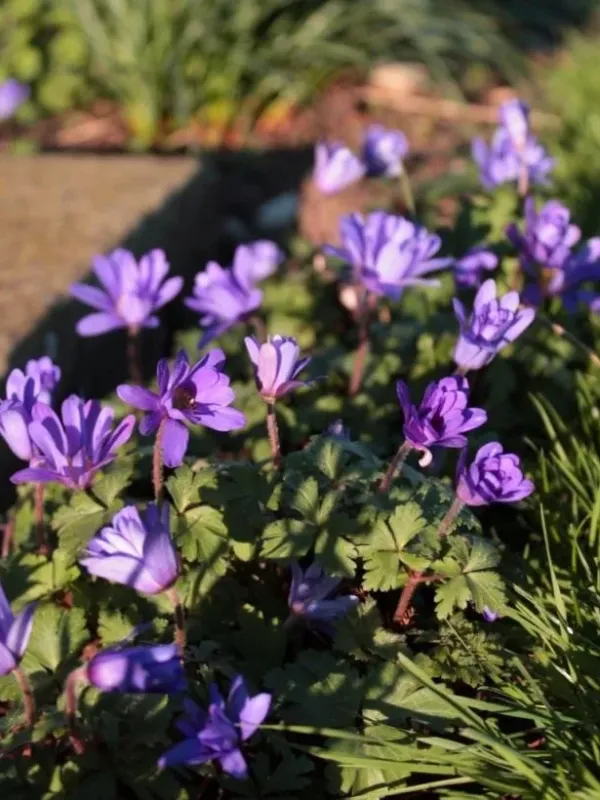
Description
Sowing dates
Sowing seeds of Anemone speciosa is best carried out in late autumn, as the seeds require a prolonged period of cold stratification to germinate successfully. Alternatively, seeds can be sown in containers during spring after being pre-treated in a refrigerator for several months.
When sowing in spring, seeds should be distributed over the surface of a light, fertile substrate without deep burying, covered only with a thin layer of sand or vermiculite. The optimal temperature for germination is between 15–18 degrees Celsius, provided moisture levels remain stable.
For vegetative propagation, rhizome division is commonly used. This process is best performed during the plant's dormant phase, either in early spring before growth begins or in autumn after the above-ground parts have withered.
It is important to maintain proper spacing when planting, as the anemone develops a robust root system. A distance of at least 20–30 centimeters between planting spots ensures adequate aeration and prevents overcrowding.
Plants grown from seeds generally reach their flowering stage in the second or third year of life, a factor that should be considered when designing garden layouts.
Growing requirements
Anemone speciosa, belonging to the Ranunculaceae family, thrives in areas with good drainage and filtered light. The plant grows best in partial shade, where the soil maintains sufficient moisture without becoming waterlogged.
Soil requirements include high fertility and a neutral to slightly acidic pH. Heavy clay soils must be improved by adding sand, compost, or peat to optimize drainage properties and prevent root suffocation.
The plant is highly sensitive to stagnant moisture in the root zone, which can lead to rot during winter months. Therefore, planting in elevated beds or creating artificial mounds with a layer of expanded clay for drainage is recommended.
Climate plays a significant role; the plant prefers a temperate climate with distinct seasonal changes. In regions with harsh winters, rhizomes require extra protection through mulching with peat or covering with spruce branches.
During the active growing and flowering season, regular watering is essential, especially during dry spells. However, once the growth phase concludes, watering should be gradually reduced to allow the plant to enter dormancy.
Main diseases and pests
The primary threats to this culture are fungal diseases, such as powdery mildew and various root rots, which often develop due to excessive soil moisture or poor air circulation around the foliage.
To prevent fungal infections, it is crucial to maintain proper irrigation practices and promptly remove infected plant debris, which can serve as a reservoir for pathogens within the garden area.
Among the most common pests are leaf nematodes and aphids, which damage the vegetative parts of the plant, significantly reducing its ornamental value and slowing down overall development.
When initial signs of pest activity are detected, appropriate insecticides or biological control agents should be applied, strictly adhering to the dosage and application frequency specified by the manufacturer.
To control slugs and snails that may feed on tender foliage, gardeners should utilize traps, mechanical protection methods, or apply a layer of gravel as mulch on the soil surface.