
Polyalthia cauliflora
Polyalthia cauliflora
Description
Growing requirements
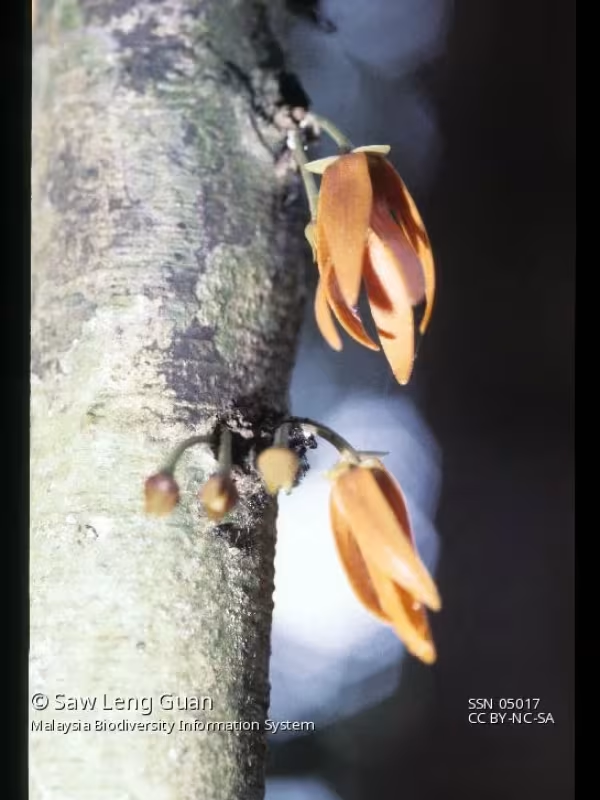
Polyalthia cauliflora is a distinguished member of the Annonaceae family, characterized by its remarkable cauliflory, where its flowers and fruits emerge directly from the trunk and woody branches. This evergreen tree serves as a unique botanical specimen often studied for its physiological adaptations to the rainforest understory.
The species originates from the tropical rainforests of Southeast Asia. Its native range is concentrated in Malaysia, Indonesia, and surrounding regions, where the microclimate is defined by consistent high humidity, significant rainfall, and protection from direct, harsh solar radiation.
To successfully cultivate Polyalthia cauliflora, growers must prioritize well-draining, nutrient-dense soils. Ideal soil composition involves a mix of peat, bark, and volcanic sand to maintain aeration while ensuring moisture retention, as stagnant water is detrimental to the development of the primary root system.
Temperature management is critical for this species. It thrives in temperatures between 22°C and 28°C. As a tropical crop, it lacks cold tolerance, necessitating the use of specialized climate-controlled greenhouses or nurseries if it is cultivated in regions outside of its natural tropical distribution range.
The agricultural approach requires consistent monitoring of humidity levels, which should ideally remain above 70%. Fertilizer application should be frequent but at lower concentrations, focusing on balanced NPK blends supplemented with essential micronutrients to support continuous growth and fruit development.
Main diseases and pests
The primary agricultural threats include root rot pathogens like Pythium and Phytophthora, which thrive in moist conditions. Strict sanitation of the growing environment and the application of balanced drainage systems are the most effective preventative measures against these soil-borne diseases.
Pest management focuses on controlling soft-bodied insects such as mealybugs and aphids. These pests tend to aggregate on tender new growth and near the base of the flowering clusters, requiring systemic insecticides or organic horticultural oils to prevent significant damage and plant stress.