


Reference · Crops
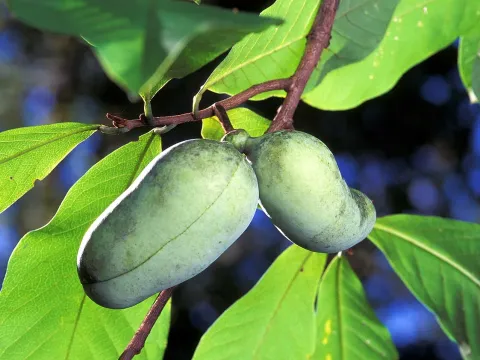
Pawpaw
Asimina
Pawpaw seeds require a period of stratification to break dormancy; therefore, they are typically sown in the autumn to endure winter conditions naturally.
1
items
What the section contains
Marketplace
Products in this section · 6


Pawpaw
The seeds must never be allowed to dry out, as this rapidly destroys their viability; they should be kept moist until planted in rich, well-draining soil.
If sowing in the spring, seeds must be artificially stratified in cold storage at temperatures between 0 and 5 °C for at least three months to ensure germination.
Seedlings grow very slowly in their first season, focusing energy on root development rather than shoot growth, which makes them sensitive to transplanting.
Professional orchards often prefer grafting scions from established varieties onto healthy rootstocks to ensure faster fruiting and predictable fruit quality.
Asimina triloba, a member of the Annonaceae family, is uniquely cold-hardy, capable of surviving temperatures as low as -30 °C once the tree is well established.
These trees thrive in deep, fertile, slightly acidic, and well-drained soil; they are particularly sensitive to poor drainage and waterlogged conditions.
Young pawpaw trees require significant protection from direct sunlight, usually needing shade for the first two years to prevent severe leaf scorch and stress.
A consistent supply of moisture is essential during the growing season, especially for young trees, though mature trees develop some drought tolerance over time.
Successful growth depends on a long, warm growing season, as the fruits need heat units to reach full maturity before the first frost of autumn arrives.
Seed-grown trees typically start bearing fruit between 6 and 8 years of age, while grafted varieties can produce harvests within 3 to 4 years of planting.
A healthy, mature pawpaw tree can yield between 10 to 20 kilograms of fruit annually, characterized by a complex, tropical flavor profile of banana and mango.
Because pawpaws are self-incompatible, gardeners must plant at least two genetically distinct trees or varieties to ensure effective cross-pollination and fruit set.
Pollination is often carried out by flies and beetles in nature, though some growers practice hand-pollination to guarantee a heavier crop in smaller home orchards.
The fruits ripen in late summer or early autumn, often falling from the tree when fully mature, which necessitates regular checking of the ground for fresh harvests.
Pawpaw trees are remarkably resistant to most common pests and diseases, which is a major advantage for sustainable and organic agricultural practices.
The leaves and bark of the tree contain natural acetogenins, which act as a powerful deterrent against most herbivorous insects and mammals throughout the year.
While major diseases are rare, excessive humidity can occasionally lead to minor fungal leaf spots, though these rarely cause significant damage to the tree's health.
The primary concern for young trees is protection from rodents or deer, which may damage the trunk or bark during the dormant season, necessitating protective guards.
Physiological stress, such as yellowing leaves (chlorosis), usually indicates poor soil quality or improper pH levels rather than an infectious disease or pest infestation.
Harvesting is determined by the fruit's texture and scent; they are ready when they turn soft to the touch and emit a strong, pleasant, sweet aroma.
Great care must be taken during harvest, as ripe pawpaw fruits are highly perishable and bruise easily, which leads to rapid quality decline and fermentation.
Fresh pawpaws have a very short shelf life at room temperature, typically lasting only a few days before they become over-ripe and unsuitable for fresh consumption.
For storage, fruits should be kept in cold refrigeration at near-zero temperatures, which can extend their shelf life for up to two or three weeks.
Due to their limited post-harvest durability, pawpaws are widely processed into jams, ice creams, purees, and baked goods, preserving their unique culinary appeal.