
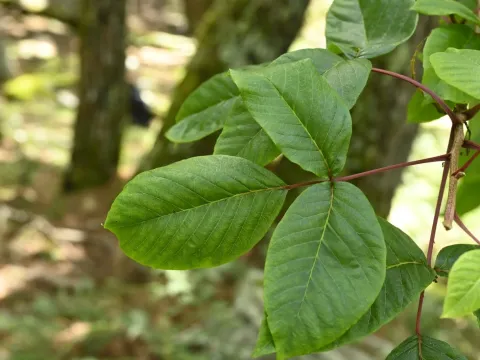
Oriental lacquer tree
Toxicodendron orientale
The Oriental lacquer tree (Toxicodendron orientale) is a woody species within the Anacardiaceae family. Native to East Asian regions, this plant is primarily cultivated for the extraction of a natural resinous sap used in traditional lacquerware and crafts.
What the section contains
Oriental lacquer tree
The tree thrives in temperate climates and requires well-draining, nutrient-rich soils to support its growth. Optimal sites are typically sheltered from extreme winds and provide consistent access to moisture, which is essential for the healthy production of sap.
Botanically, the plant features alternate, pinnately compound leaves and small, inconspicuous flowers that eventually produce spherical fruits. It is characterized by its woody structure, which can reach several meters in height when managed in a plantation setting.
Cultivation requires extreme caution due to the presence of urushiol, an oil that induces severe contact dermatitis. Field managers and workers must utilize protective clothing and equipment during all phases of growth, monitoring, and harvesting to prevent exposure.
While the tree is relatively hardy, it prefers sites that receive moderate sunlight. Proper spacing in plantations is critical to ensure adequate air circulation and light penetration, which helps reduce the prevalence of fungal infections in the bark.
Harvesting the sap is an intricate process conducted on mature trees, usually when they reach 10 to 15 years of age. Skilled workers perform calculated incisions on the trunk to allow the precious raw lacquer to bleed out slowly.
The collected sap, known as urushi, is processed by filtering and refining to remove any wood fibers or impurities. The quality of the final product depends on the tree's health, environmental humidity, and the precision of the harvest timing during the warm season.
Maintaining the tree's long-term health is a priority, so incisions are made systematically, allowing the bark to heal between collection cycles. Sustainable tapping practices are essential to extend the productive life of the tree for several decades.
Storage of the raw product must avoid direct sunlight and extreme temperatures, as the polymerization process is highly reactive to environmental factors. Proper handling ensures that the lacquer retains its durability and glossy finish for artistic and industrial applications.
Plantation management involves regular inspections for wood-boring insects and blight. Timely maintenance and careful handling of the trees ensure that the Oriental lacquer tree remains a viable and valuable resource for modern sustainable forestry.