
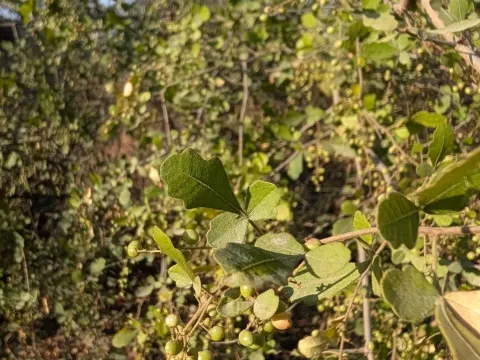
Mysore sumac
Rhus mysurensis
Mysore sumac (Rhus mysurensis) is a shrub species belonging to the Anacardiaceae family, native to the arid and semi-arid regions of India. This woody plant is highly valued for its exceptional drought tolerance and ability to thrive in challenging environments.
What the section contains
Mysore sumac
The crop prefers rocky, well-drained, and sandy-loam soils where other agricultural species struggle to establish. It is an essential plant for soil conservation efforts and land rehabilitation, thanks to its extensive root system that effectively prevents erosion in dry climates.
Climate-wise, the Mysore sumac requires full sun exposure and a warm growing season to achieve optimal productivity. It is highly sensitive to waterlogging, necessitating excellent soil drainage to prevent physiological stress and root damage during the monsoon or irrigation periods.
Botanically, it features pinnate leaves and small flowers, followed by small drupe-like fruits. The plant is known for its high concentration of tannins, which are located in the bark and foliage, serving as a primary defense mechanism against herbivores.
In terms of economic significance, the bark is a traditional source of tanning agents used in the leather industry. Furthermore, the species is frequently utilized in local agroforestry systems to provide ground cover and protection for more delicate plant species in harsh environments.
The primary threat to Mysore sumac plantations is the development of fungal pathogens, particularly root rot, which occurs when soil moisture levels exceed the plant's tolerance limits. Proper land leveling and drainage are critical to prevent such issues.
While the plant is generally hardy, it can be susceptible to localized insect infestations that target leaves and younger stems. These pests can reduce the photosynthetic capacity of the shrub if left unmanaged during the peak growth months.
Management of pest populations relies heavily on integrated pest management (IPM) practices, emphasizing the maintenance of distance between individuals to improve air circulation and reduce the humidity levels that pests prefer.
Periodic monitoring for signs of wilt, leaf discoloration, or pest presence allows for targeted interventions, such as the pruning of infected branches to isolate the spread of any potential infection.
Chemical control is rarely required, as the Mysore sumac possesses innate biological defenses, including high tannin levels, which naturally deter many generalist insect pests and herbivores.