
Pentaspadon
Pentaspadon
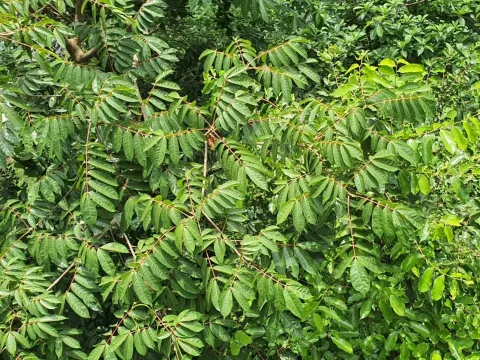
Pentaspadon is a genus of tropical trees belonging to the Anacardiaceae family. These trees are typically found in lowland tropical rainforests, thriving in environments with high annual rainfall and consistent temperatures throughout the year.
What the section contains

Pentaspadon
The ideal growing conditions require a tropical climate where temperatures remain stable and frost is non-existent. These trees are highly sensitive to sudden temperature drops and require sheltered locations to prevent damage to foliage and developing branches.
Soil requirements for Pentaspadon involve deep, well-draining, yet moisture-retentive substrates. They naturally occur in alluvial soil profiles that are rich in organic matter, which supports the fast growth rate required during the early stages of the tree's development.
Agricultural management requires maintaining high atmospheric humidity and ensuring proper sunlight exposure. While mature trees are tolerant of high light levels, juvenile saplings often need partial shade to prevent desiccation and heat stress during the hottest parts of the day.
Standard cultivation practices include regular weeding and the application of balanced fertilizers to support vigorous growth. Due to the tree's relative rarity in commercial cultivation, specialized forestry stations focus on preserving the species while optimizing its growth potential.
The primary economic use of Pentaspadon involves the production of high-quality timber. The wood is valued for its strength and durability, making it suitable for furniture manufacturing and local construction projects in tropical regions.
In addition to timber, certain species within the genus produce fruits that contain fatty oils, which have potential technical or food-grade applications. Harvesting requires careful management, especially for taller specimens that require specific equipment to access the fruit safely.
Productivity levels in plantations are largely dictated by the quality of the site selection and the density of the planting scheme. Managed plantations can significantly outperform wild populations by providing a consistent environment for the trees to reach maturity.
Market availability for products derived from Pentaspadon remains somewhat restricted, reflecting its status as a specialized forestry resource. However, there is growing interest in the sustainable cultivation of such trees to support local economies and biodiversity.
Ongoing research into the genetic selection of high-yield varieties aims to shorten the time required for trees to reach harvestable size. This progress is expected to improve the viability of Pentaspadon as a reliable resource for tropical agroforestry systems.
Major threats to the crop include fungal diseases, which thrive in high-humidity tropical environments and can cause significant decay in the trunk and root systems. Prompt identification and removal of infected wood are essential to prevent the spread of pathogens.
Pests such as stem-boring insects present a continuous threat to the structural integrity of the timber. Integrated pest management practices, including the monitoring of adult populations and the use of natural predators, are recommended for long-term health.
Invasive weeds and aggressive secondary vegetation can quickly outcompete juvenile Pentaspadon trees for sunlight and soil nutrients. Consistent site maintenance and manual clearing are necessary during the first few years of the tree's life to ensure successful establishment.
Habitat loss and soil degradation represent broader environmental risks to the species in its natural range. Protecting the topsoil from erosion is vital to maintaining the tree's ability to resist physical stressors and disease pressures over the long term.
Preventative measures, such as maintaining appropriate tree spacing and ensuring good airflow, are crucial for reducing the risk of disease outbreaks. Regular inspections help in managing the plantation health, ensuring that the trees grow to their maximum potential.