
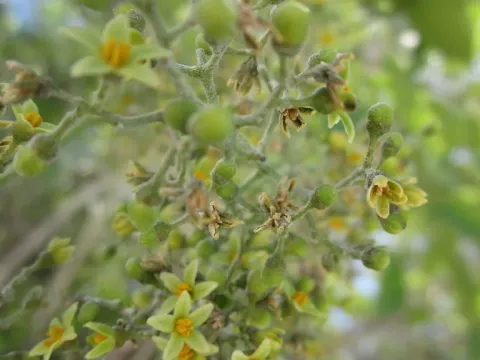
Metopium
Metopium
Metopium is not a mass-produced agricultural crop, but its propagation is generally handled in specialized nurseries using seeds. The ideal time for sowing is during the warm season, specifically after the onset of the rainy season to ensure adequate soil warmth.
What the section contains


Metopium
Seeds are protected by a hard coat, so scarification or soaking in warm water for 24 hours is highly recommended to improve germination rates significantly. This preparation helps to bypass natural dormancy mechanisms.
Professional growers utilize well-draining, lightweight sandy substrates for sowing. Seeds should be placed at a depth of about 1-2 centimeters and kept in a warm, bright environment to encourage initial development.
Germination typically takes between three to six weeks depending on the soil temperature, which should stay consistently between 25 and 30 degrees Celsius for optimal results.
Once the seedlings have developed at least two or three true leaves, they should be transplanted into larger individual containers. This phase is crucial for establishing a robust root system before moving the plants to their final planting site.
Metopium belongs to the Anacardiaceae family and is native to tropical and subtropical regions. It thrives in environments that offer long, sunny days and distinct dry seasons, which are essential for its natural physiological cycles.
Soil requirements are strict: the plant mandates excellent drainage. It grows best in sandy, calcareous, or rocky soils. Avoid planting in low-lying areas where water tends to accumulate, as this will lead to rapid root decay.
Full sun exposure is a critical requirement for this species. Inadequate light will cause the plant to become "leggy" and will significantly reduce its ability to produce the protective resins characteristic of the genus.
Regarding climate, the plant is intolerant to frost and cold winds. It performs best in temperatures ranging from 20°C to 35°C. Prolonged exposure to temperatures below 10°C can result in severe damage to the tree's health.
Maintenance involves providing adequate space for expansion, as mature trees can develop wide, spreading root systems. Occasional mulching can help retain soil health, provided the mulch is kept away from the immediate base of the trunk.
The primary threats to Metopium include fungal infections, which are often exacerbated by poor air circulation or excessive moisture in the growing medium. Root rot is the most devastating disease for younger trees.
Insects such as mites or specific scale insects may occasionally infest the foliage. However, the plant's natural chemical defense mechanism, involving irritant resins, makes it inherently resistant to many generalist pests.
Bacterial cankers can occur if the tree sustains mechanical damage to its bark. These wounds act as entry points for pathogens, making proper sanitation during any necessary pruning or maintenance operations essential.
Over-fertilization with nitrogenous fertilizers can make the wood softer and more prone to disease, as well as attracting more pests. A balanced, low-nitrogen approach is safer for the long-term health of the species.
If any signs of decay or localized tissue death appear, prompt pruning of the affected branch is required. All tools used must be disinfected after each cut to ensure the infection does not spread across the plantation.