
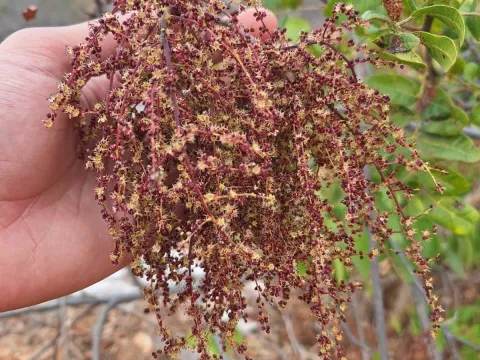
Myracrodruon
Myracrodruon
Myracrodruon (Myracrodruon urundeuva) is a prominent member of the Anacardiaceae family, native to the tropical regions of South America. It is a slow-growing hardwood species highly valued for its durable timber and ecological roles in reforestation projects.
What the section contains


Myracrodruon
The climate requirements for this species include high solar radiation and a distinct seasonal pattern of rainfall. It is exceptionally well-adapted to environments where water scarcity occurs, displaying physiological mechanisms that ensure survival during long dry spells.
Regarding soil preferences, it favors well-drained, deep, and fertile soils, though it remains notably hardy and capable of thriving in rocky or impoverished soil conditions. Proper aeration is crucial for the root development of seedlings, as compaction can severely limit growth.
Agrotechnical practices involve careful site selection and the removal of competing vegetation in early stages. Providing adequate space between trees is necessary to optimize canopy growth and prevent premature competition for nutrients and sunlight.
Beyond timber, the tree serves significant economic roles in agroforestry. It is frequently utilized for soil conservation and slope stabilization, effectively preventing erosion in degraded landscapes while simultaneously contributing to the local supply of medicinal tannin extracts.
Pathogenic fungi are a significant threat to Myracrodruon, particularly in nurseries where humidity levels are difficult to regulate. Root infections can become fatal if the soil profile remains saturated for extended periods, leading to necrosis.
Insect pests, specifically foliage feeders and borers, can damage the integrity of the trunk and reduce the overall photosynthetic capacity of the plant. Monitoring and early intervention are essential in plantation management to prevent widespread infestation.
Herbivory by both wild and domestic animals can be devastating to young plantations. Protection of seedlings using tree guards is a standard and necessary practice to ensure the trees reach a size where they are no longer susceptible to browsing.
Weed management is critical during the establishment phase, as spontaneous vegetation can outcompete the young Myracrodruon trees for soil moisture. Integrated weed management strategies often include mulching and manual weeding in the row.
Environmental stress factors, such as fire, can cause significant mortality in younger stands. Establishing firebreaks around plantation borders is a crucial preventive measure for long-term survival in fire-prone regions.