
Nothopegia
Nothopegia
Nothopegia is a genus of evergreen trees and shrubs belonging to the Anacardiaceae family. These plants are native to the tropical forests of South and Southeast Asia, including regions in India and Sri Lanka, where they flourish under specific ecological conditions.
What the section contains

Nothopegia
The successful cultivation of this crop requires a tropical climate characterized by consistently high temperatures and high humidity levels throughout the year. The plants perform best in well-drained, fertile soils that provide sufficient organic matter and balanced moisture levels.
From an agronomic perspective, Nothopegia demands significant attention to light intensity, preferring bright, filtered light. Maintaining consistent moisture in the root zone is crucial, as the plant is sensitive to prolonged water stress or extreme drought conditions.
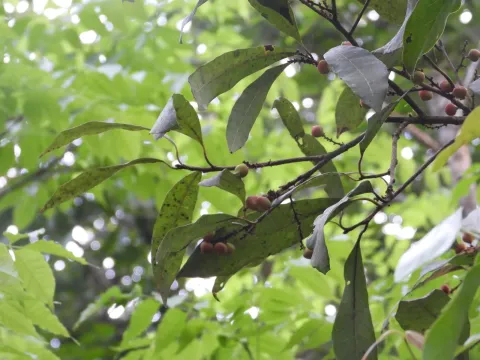
The botanical structure of the genus includes alternate, leathery leaves and small flowers arranged in panicles. The fruit is typically a drupe, which serves as an important food source for local wildlife and plays a role in the ecological balance of its habitat.
Economic use of Nothopegia is specialized, often focused on its ornamental value in tropical landscaping or the harvesting of its wood and resinous compounds for local artisanal and industrial purposes in its native range.