
Mexican pistachio
Pistacia mexicana
Description
Growing requirements
Mexican pistachio (Pistacia mexicana) is an evergreen or semi-deciduous tree belonging to the Anacardiaceae family. Native to the dry tropical forests of Mexico and Central America, it is a hardy species adapted to arid environments.
The species requires high solar exposure to thrive and performs best in locations with full sunlight. It is exceptionally drought-tolerant once established, making it a suitable candidate for xeriscaping or agriculture in regions with limited water resources.
Well-drained, limestone-based soils are ideal for the development of the root system. Heavy or waterlogged clay soils must be avoided at all costs, as the tree is highly susceptible to root decay when exposed to standing water for extended periods.
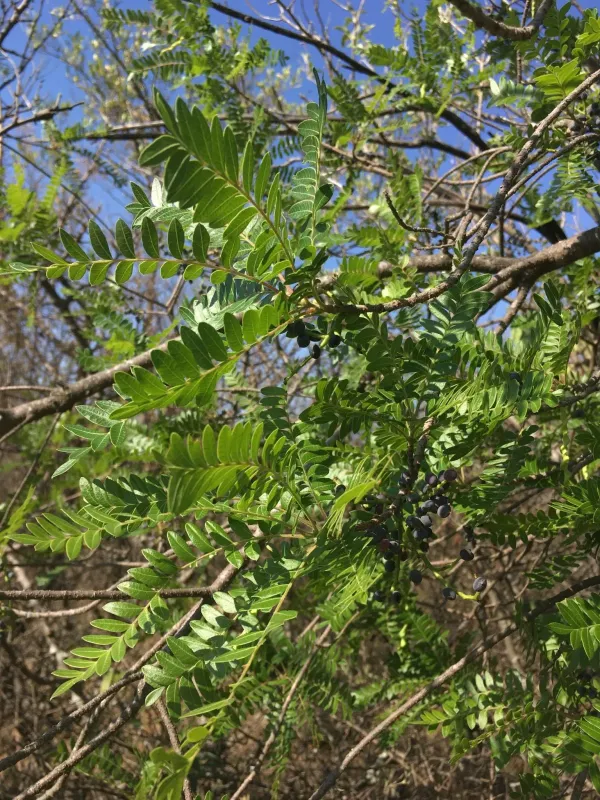
Botanically, it is recognized by its pinnately compound leaves and small, inconspicuous flowers arranged in panicles. The growth habit is typically shrubby to tree-like, with a slow growth rate that requires careful management in commercial plantations.
Climatic requirements focus on avoiding extreme frost, as the species prefers warm subtropical conditions. Protecting young saplings from extreme weather events is essential for ensuring successful long-term survival and structural development.
Main diseases and pests
The primary threats to the health of Mexican pistachio trees are fungal pathogens, specifically those causing root rot and wood decay. Proper irrigation management and maintenance of soil aeration are the most effective strategies for disease prevention.
Pest pressures are generally manageable, although leaf-feeding insects and various mites can cause significant aesthetic and physiological damage. Monitoring programs should be implemented to address outbreaks early in the growing season to protect foliage integrity.