
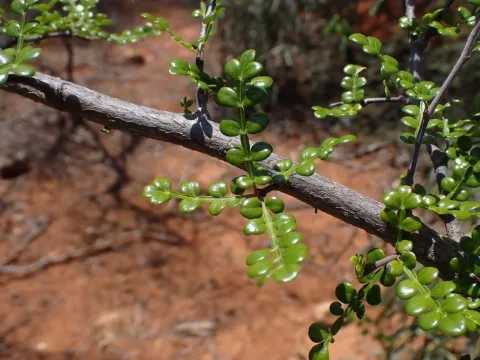
Operculicarya
Operculicarya
Operculicarya is a genus of succulent trees belonging to the Anacardiaceae family. Native to Madagascar, these plants are highly prized for their unique caudex, which acts as a water storage organ, allowing the plant to thrive in arid and harsh tropical environments.
What the section contains


Operculicarya
The cultivation of this species requires high light intensity. To maintain the compact, ornamental structure of the caudex and canopy, the plants must be placed in a location with abundant direct sunlight. Insufficient lighting often results in etiolation, where the branches become spindly and lose their aesthetic appeal.
Temperature requirements are strictly tied to the seasonal growth cycle. During the active growing period, a temperature range of +22 to +28 degrees Celsius is considered ideal. During the dormant winter season, temperatures should be lowered to approximately +15 degrees Celsius to stimulate natural biological rhythms.
For soil conditions, Operculicarya demands an extremely well-draining substrate. A combination of inorganic materials such as pumice, coarse sand, and perlite with a small amount of organic matter is essential. This prevents water accumulation around the caudex base, which is the primary cause of plant death.
Watering practices should be strictly controlled, emphasizing the "soak and dry" method. It is imperative to allow the substrate to dry out completely between waterings. In winter, the plant enters a period of dormancy, and moisture levels must be significantly reduced to reflect the plant's metabolic slow-down.
Root rot remains the most serious threat to Operculicarya. It is almost exclusively caused by overwatering or the use of heavy, water-retentive soils. Once the rot reaches the caudex, recovery becomes extremely difficult and requires surgical intervention and specific anti-fungal treatments.
Pest pressures primarily include spider mites and mealybugs. These pests frequently settle on the underside of leaves or in the crevices of the branches. Regular inspections and the application of suitable horticultural oils or systemic insecticides are necessary to ensure the plant remains in optimal health.