
Semecarpus marginatus
Semecarpus marginatus
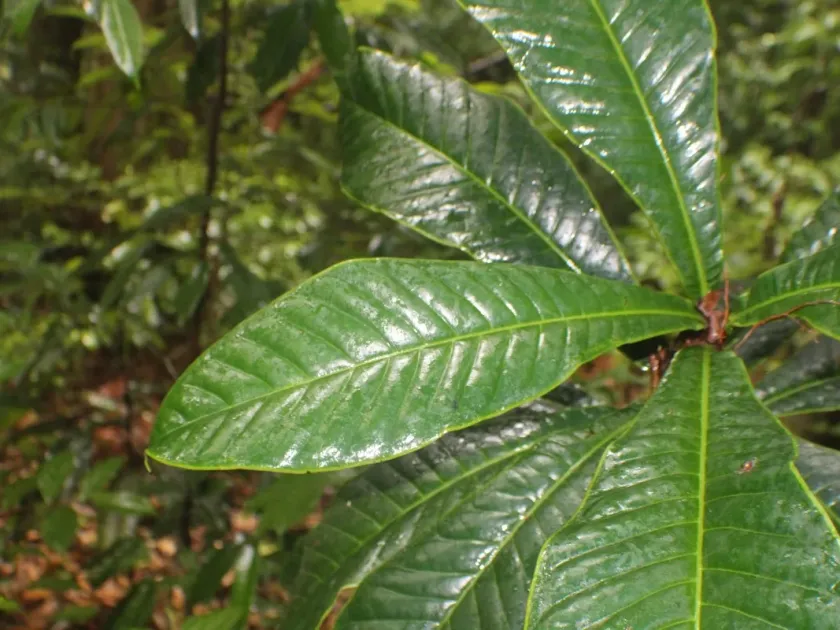
Description
Sowing dates
Semecarpus marginatus is a perennial tree species belonging to the Anacardiaceae family, typically propagated through seeds which require careful handling due to their sensitive biology.
The sowing process requires a nutrient-rich, well-draining germination medium kept at high humidity levels to mimic the natural tropical forest floor conditions.
Seeds are usually sown in nurseries during the pre-monsoon period to ensure that the seedlings gain sufficient strength before the arrival of heavy, continuous rainfall.
Standard nursery practice involves the use of specialized deep containers to accommodate the rapid vertical growth of the taproot during the initial development stage.
Young plants are maintained under partial shade structures to protect them from high solar radiation, which can cause leaf burn during the early stages of establishment.
Growing requirements
The species thrives in tropical climates characterized by consistent warm temperatures and high humidity, avoiding areas prone to seasonal frost or extreme temperature drops.
Soil requirements include deep, fertile loamy textures with a slightly acidic pH, allowing for significant root penetration and nutrient uptake essential for tree longevity.
Proper water management is critical; while the plant requires regular irrigation, it cannot tolerate waterlogged conditions that lead to root asphyxiation and subsequent decay.
The cultivation site should be selected to allow for maximum growth potential, ensuring sufficient spacing between trees to prevent overlapping of canopies as the specimens mature.
Nutrient supply should be managed via balanced fertilization schedules, focusing on organic matter incorporation to boost the microbiological activity of the rhizosphere.
Main diseases and pests
The main threats to plantations include fungal pathogens such as Colletotrichum, which causes significant leaf and fruit lesions under humid conditions.
Various coleopteran pests can bore into the stems of younger trees, significantly reducing the vigor of the plant and predisposing it to secondary bacterial infections.
Root-knot nematodes remain a persistent soil-borne threat that can stunt growth and decrease the overall yield of the plantation if left unmanaged.
Effective management strategies incorporate systemic monitoring and the application of integrated pest management (IPM) to mitigate economic damage.
Sanitation practices, including the removal of leaf litter and infected branches, are essential to break the life cycle of common agricultural pests and pathogens.
Harvesting
Harvesting of the fruit-bearing parts occurs when physiological maturity is reached, which is typically indicated by a change in fruit color and exocarp texture.
Manual harvesting is the preferred method to prevent damage to the delicate outer tissues of the fruit, ensuring better post-harvest shelf life for the collected produce.
Processing must be conducted with caution due to the irritant properties of the sap, common in many species of the Anacardiaceae family, necessitating the use of protective equipment.
After collection, the fruits are sorted based on size and physical integrity, with damaged units being removed to prevent the spread of decay within the storage batches.
Storage should take place in well-ventilated, cool areas to slow down metabolic processes and maintain the quality of the raw material until it reaches the end-user.