
Semecarpus gardneri
Semecarpus gardneri
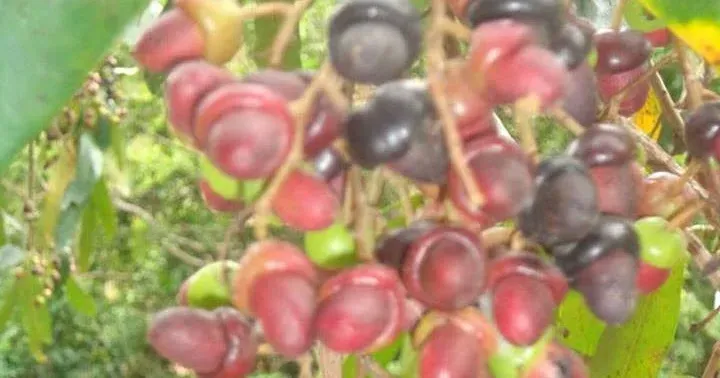
Description
Growing requirements
Semecarpus gardneri is a notable species within the Anacardiaceae family, native to the tropical rainforests of Sri Lanka. This tree serves as a vital component of the local island ecosystem, characterized by its slow growth and specific environmental adaptations.
The tree thrives in tropical climates where the temperature remains consistently high throughout the year. It requires an environment with significant rainfall, reflecting its natural habitat in the humid lowlands of its native range.
Soil requirements focus on deep, well-draining substrates rich in organic matter. Proper soil aeration is essential, as the roots are sensitive to anaerobic conditions often caused by heavy waterlogging in clay-rich soils.
In terms of light exposure, young specimens require partial shade to mimic the forest floor canopy. As the tree matures, it can handle more direct sunlight, provided that soil moisture levels are maintained throughout the dry season.
Botanically, it displays the typical characteristics of the genus, including distinct leaf morphology and inflorescences. Its wood and bark have been historically recognized by indigenous populations for various local applications.
Main diseases and pests
The conservation of Semecarpus gardneri is currently challenged by habitat fragmentation and the ongoing loss of primary rainforest areas in Sri Lanka. This makes it a species of interest for conservationists and botanical researchers.
Pests such as specialized leaf-feeding insects and wood-boring beetles represent significant threats to its health. These organisms often exploit trees that are already stressed by environmental changes or nutrient deficiencies.
Fungal diseases are a primary concern, especially in high-humidity zones. Root rot can occur if the drainage system is compromised, often triggered by pathogens that flourish in damp, stagnant air conditions.
Preventive strategies involve ensuring proper spacing in nursery or plantation settings to allow for adequate air circulation. Regular pruning of dead or diseased branches helps in maintaining the overall health of the tree.
Monitoring for signs of infestation is crucial. Integrated pest management, which focuses on biological controls and manual removal of affected parts, is preferred over the heavy use of synthetic chemical inputs.