
Semecarpus acuminatus
Semecarpus acuminatus
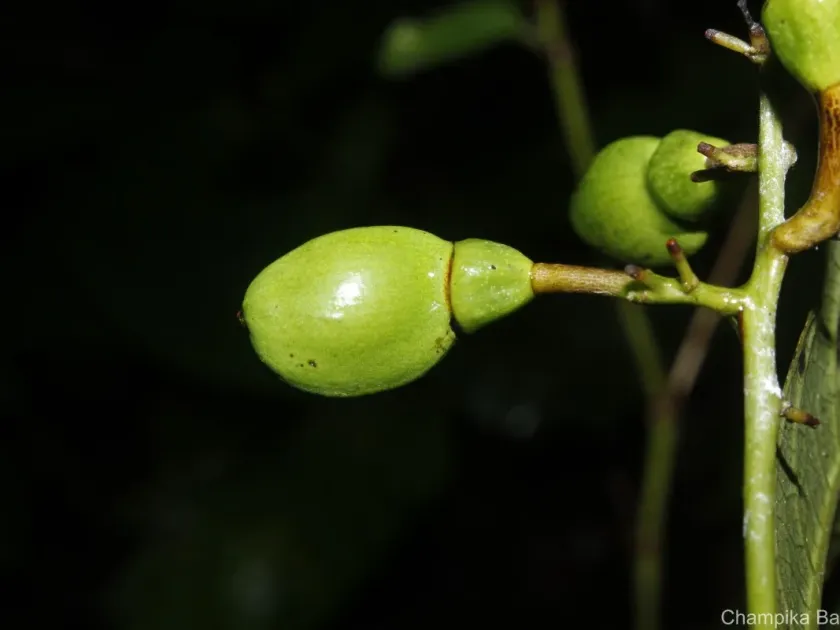
Description
Growing requirements
Semecarpus acuminatus belongs to the Anacardiaceae family, a group of plants widely known for their tropical origin and ecological diversity. This species thrives in warm, humid climates, requiring consistent temperatures and protection from cold stress to maintain its biological cycle.
The plant prefers well-drained soils that are rich in organic matter. Proper aeration is crucial, as the root system of Semecarpus acuminatus is sensitive to waterlogging, which often leads to root decay and decreased nutrient absorption efficiency.
In terms of light exposure, the species requires high levels of bright, indirect sunlight. While it can adapt to partial shade during early developmental stages, mature trees perform best when exposed to direct light for several hours daily, supporting photosynthesis and vigor.
Agrotechnical management involves consistent monitoring of soil pH and moisture levels. Regular application of balanced fertilizers ensures the plant has sufficient nutrients for foliage production and overall structural integrity, which is essential for healthy growth.
Wind protection and space management are also vital considerations. Planting in areas with natural windbreaks helps preserve the leaf structure and prevents physical damage, while proper spacing ensures airflow and light penetration throughout the tree canopy.
Main diseases and pests
The primary threats to Semecarpus acuminatus include various fungal pathogens that flourish in humid conditions. Leaf spot diseases are common, often appearing as necrotic lesions that reduce the plant's ability to produce energy through photosynthesis.
Insect pests, including spider mites and scale insects, pose a significant risk to young foliage and tender stems. These pests extract sap, weakening the plant and potentially leaving it vulnerable to secondary infections by bacteria or additional fungi.
Root rot, driven by improper irrigation practices, remains a major concern for this species. To mitigate this, growers should ensure that the substrate is not overly saturated and that any water runoff is managed correctly to keep the soil environment balanced.
Bacterial blight can sometimes impact the health of the branches if the tree has sustained mechanical injuries. Maintaining clean gardening tools and sanitizing any pruning cuts is highly recommended to protect the tree from systemic infections.
Integrated pest management (IPM) strategies, which prioritize early detection and the use of beneficial insects, are highly effective for maintaining the health of Semecarpus acuminatus. Consistent observation and prompt action are key to managing threats efficiently.