
Semecarpus cassuvium
Semecarpus cassuvium
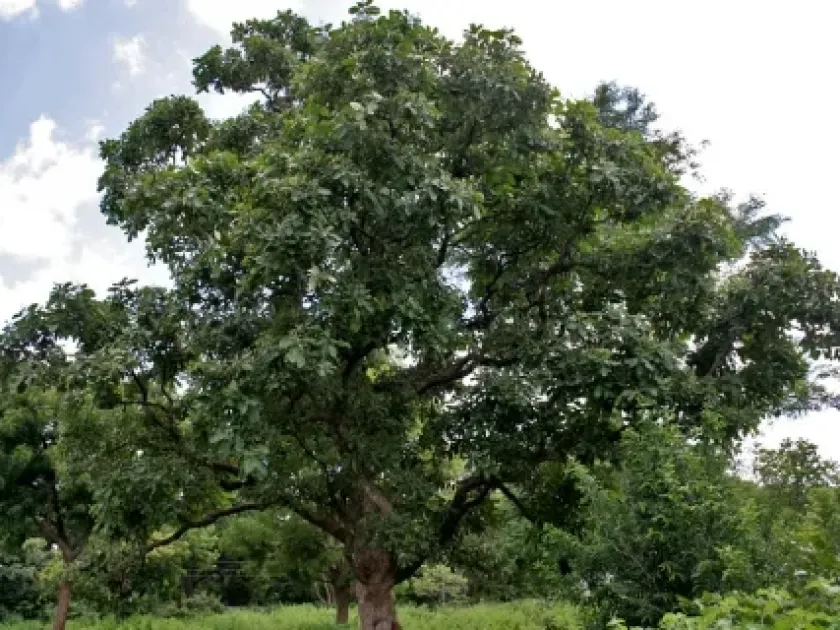
Description
Growing requirements
Semecarpus cassuvium is a significant member of the Anacardiaceae family, which includes other economically important tropical species. This tree thrives in humid tropical environments where it can achieve its full vegetative potential without the stress of temperature fluctuations.
Optimal growth requires deep, well-drained soils rich in organic matter. The species is sensitive to waterlogging, necessitating excellent drainage systems in commercial orchards to prevent root decay and ensure healthy nutrient uptake.
The climate must be consistently warm, with high levels of relative humidity throughout the growing season. While mature trees are relatively hardy, juvenile plants require protection from direct, harsh solar radiation through the use of shade covers.
Soil management involves regular applications of organic amendments to mimic the natural forest floor environment. Providing a balanced supply of essential macronutrients is vital to support the metabolic activities and the physiological demands of fruit production.
Windbreaks are highly recommended for large-scale plantations to reduce transpiration rates and physical damage to branches. Proper spacing between trees is crucial to ensure optimal light penetration and air circulation across the plantation.
Harvesting
Harvesting Semecarpus cassuvium is a specialized agricultural task that mandates the use of protective clothing. The sap and internal structures of the fruit can be irritating to human skin, requiring workers to adhere to strict safety protocols during manual handling.
The harvesting phase begins when the fruits reach physiological maturity, signaled by a characteristic color change. Efficient harvest scheduling is essential to minimize loss and maintain the integrity of the harvestable product.
Post-harvest processing involves separating the seeds from the fleshy fruit pulp. This operation must be carried out in controlled environments to prevent oxidative degradation of the oils and other secondary metabolites present in the seed.
The agricultural and industrial applications of this plant are broad, focusing on the extraction of high-value oils used in technical and pharmaceutical sectors. Precise post-harvest handling ensures maximum yields of these raw materials.
Storage of the finalized product requires low humidity and good ventilation to preserve its chemical profile. Proper packaging and inventory management are critical steps in delivering a high-quality product to the end-user markets.