
Semecarpus longifolia
Semecarpus longifolia
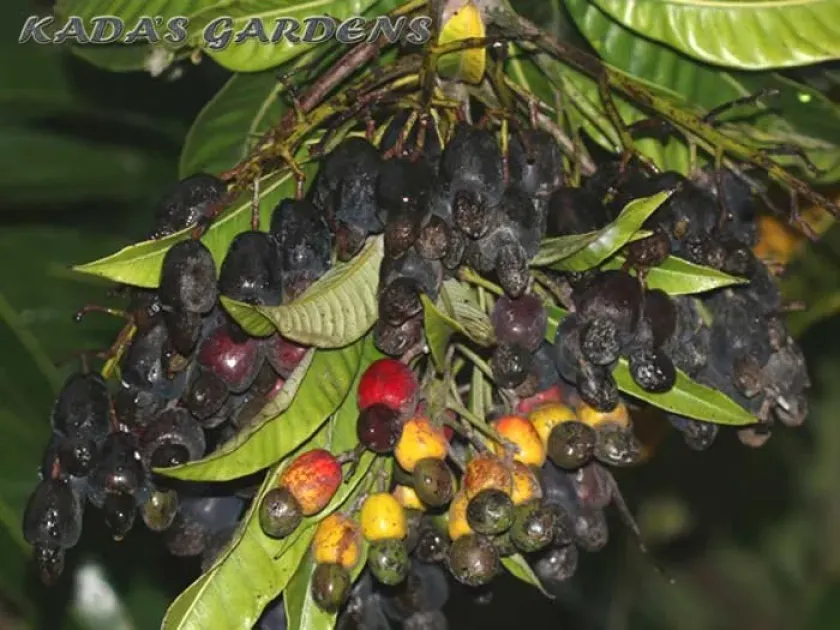
Description
Growing requirements
Semecarpus longifolia belongs to the Anacardiaceae family, a group known for several economically important tropical species. This tree species is native to the rainforest ecosystems of Southeast Asia, where it thrives under a dense forest canopy in a stable tropical climate.
The plant requires high levels of atmospheric and soil humidity throughout the year to maintain its physiological functions. It is poorly adapted to dry seasons or environments with high vapor pressure deficit, making climate control essential in agricultural setups.
The ideal soil for Semecarpus longifolia must be rich in organic matter and possess excellent drainage properties. While the plant can tolerate various soil types, waterlogged conditions should be strictly avoided to prevent root diseases and ensure healthy sapling growth.
Regarding light requirements, the species is adapted to partial shade or filtered sunlight. Overexposure to direct, high-intensity sunlight, especially in young plants, can cause leaf scorch and inhibit the natural growth rate of the tree.
Agricultural management of this crop involves careful handling, as many plants in the Anacardiaceae family produce phenolic compounds that can be irritating to the skin. Future potential for this crop lies in the extraction of specific metabolites or its role in local agroforestry systems.