
Semecarpus australiensis
Semecarpus australiensis
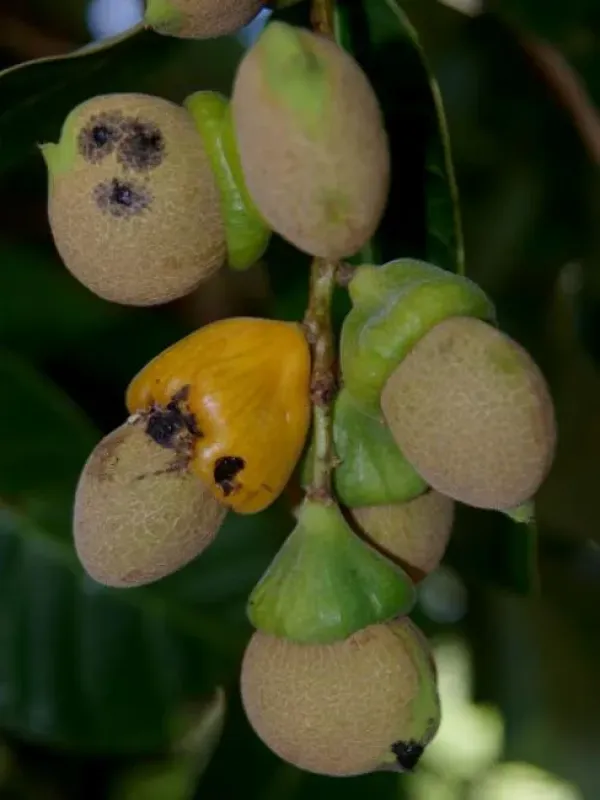
Description
Growing requirements
Semecarpus australiensis is an evergreen tree belonging to the Anacardiaceae family. Native to tropical regions of Australia, this species is known for its ecological adaptability within humid forest environments.
The tree thrives in tropical climates characterized by consistent warm temperatures and high humidity levels throughout the year. It demands well-drained, nutrient-rich soils to prevent root rot, which is a common issue in clay-heavy substrates.
Optimal cultivation involves selecting sites with adequate sunlight exposure, as the species requires significant light to support its structural development and fruit production. It does not tolerate prolonged frost or extreme cold spells.
Agricultural management includes regular soil enrichment through organic mulching, which helps mimic the natural forest floor conditions. Consistent monitoring of soil pH is necessary to ensure optimal nutrient absorption by the root system.
Despite being relatively resistant to many local pests due to its resinous tissues, the tree requires proper spatial management. Planting densities should allow for sufficient airflow to reduce the risk of secondary infections and pest colonization.
Harvesting
The harvest of Semecarpus australiensis nuts is a delicate process due to the toxic and irritating compounds found in the outer pericarp. Proper handling and personal protective equipment are mandatory during the harvesting stage.
The nuts are highly valued for their unique chemical composition and nutritional profile. Post-harvest processing involves removing the caustic external layer, which is typically achieved through traditional heat-based techniques.
Once the nuts are extracted and cleaned, they undergo a drying process to reduce moisture content. This stabilization step is crucial for ensuring the product remains shelf-stable and free from fungal contamination during storage.
Storage requires low-humidity conditions to maintain the quality and shelf life of the harvested kernels. Proper packaging prevents oxidation and protects the product from environmental degradation during transport.
Future agricultural focus on this crop includes refining post-harvest techniques and potential breeding programs to select for reduced skin-irritant levels. This would greatly facilitate wider adoption and commercial utilization of the species.