
Semecarpus coriaceus
Semecarpus coriaceus
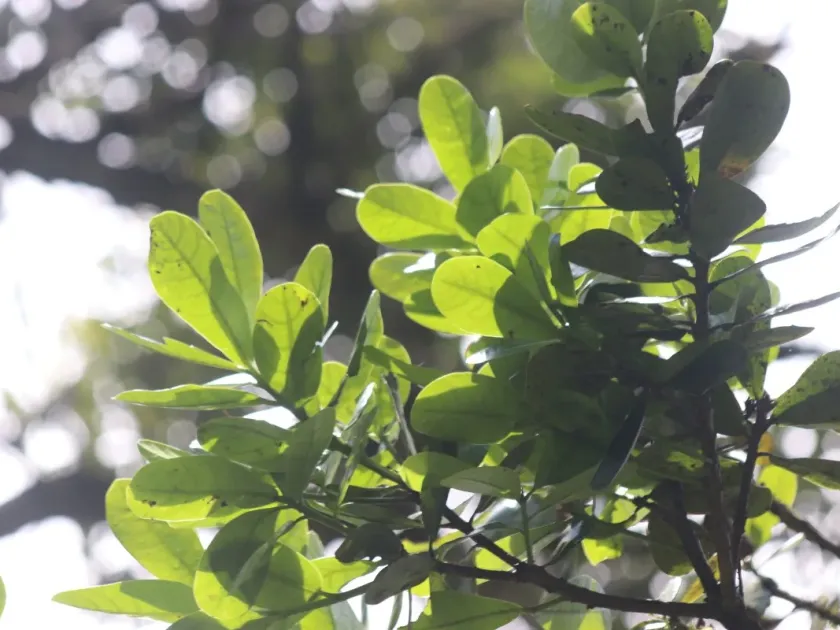
Description
Growing requirements
Semecarpus coriaceus is a species belonging to the Anacardiaceae family. It is a perennial woody plant native to the tropical forests of Southeast Asia, thriving in high-humidity environments.
The climate requirements for this culture strictly involve tropical conditions with warm temperatures and significant rainfall throughout the vegetative period. It cannot withstand frost or cold stress.
Regarding soil preferences, the plant demands well-drained, fertile, and deep soils. Waterlogging is detrimental to its root health, making slope positioning or specialized drainage systems essential.
The agronomic practices involve maintaining specific planting densities to allow sufficient air movement and light penetration. This helps the plant develop a robust structure during its initial growth phases.
Commercially, the plant is valued for its bark extracts and fruit properties, which contain compounds useful in local industries, including natural dye and resin production.
Main diseases and pests
The primary threats include tropical beetle species that target the foliage and stem bark, causing physiological stress to the developing trees.
Pathogenic fungi thrive in the humid conditions favored by the plant, potentially leading to root decay or branch dieback if not managed properly.
Integrated pest management strategies are recommended, focusing on maintaining biodiversity and promoting natural resistance within the plantation environment.
Regular maintenance pruning is a crucial step to eliminate sources of infection and ensure the longevity of the tree specimens.
Preventive measures include careful irrigation management to prevent stagnant water, which is a major catalyst for soil-borne diseases in tropical crops.