
Semecarpus anacardium
Semecarpus anacardium
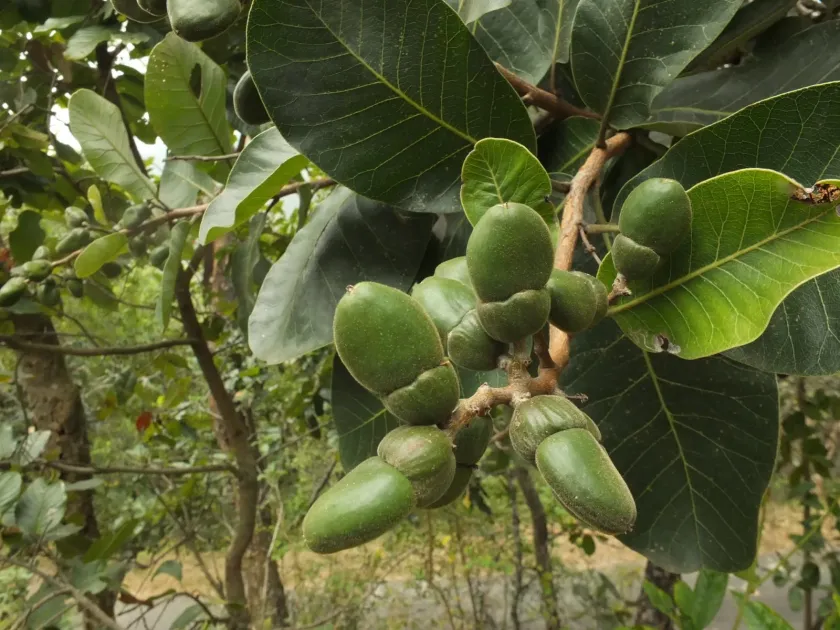
Description
Sowing dates
Semecarpus anacardium is a tropical woody crop primarily propagated through seeds in specialized nursery settings for agricultural distribution.
The optimal time for sowing seeds is the beginning of the rainy season, which ensures adequate moisture levels for consistent germination.
Seeds require pre-treatment or stratification to break the dense seed coat, which often inhibits rapid growth in natural conditions.
Nurseries should utilize loose, well-draining substrate mixed with organic compost to encourage vigorous initial root system development.
Seedlings are transplanted to their permanent locations once they reach a height of 30–50 centimeters, after the heavy rain period subsides.
Growing requirements
Belonging to the Anacardiaceae family, this tree naturally thrives in the dry deciduous forests of India, Myanmar, and Southeast Asia.
The crop prefers well-drained, sandy, or loamy soil types that can effectively handle the moisture levels encountered during monsoon seasons.
High temperatures are essential for the growth of the tree, as it is sensitive to cold weather and long-lasting frost events in temperate zones.
Full sun exposure is required for proper canopy development; shading usually leads to poor fruit production and stunted tree growth.
The species is notably drought-tolerant, making it a viable candidate for cultivation in regions characterized by distinct seasonal dry cycles.
Yield
The primary economic focus of the tree is the harvest of its fruit, which consists of a drupe attached to a fleshy, edible receptacle.
The pericarp contains caustic phenolic compounds, necessitating specific extraction processes and careful handling during the refining stage.
While the timber has minor uses, the primary value lies in the chemical properties of the sap and seeds for traditional and medicinal purposes.
Due to its historical use in Ayurvedic practices, there is a consistent demand for the processed kernels in pharmaceutical and local markets.
Harvesting is performed manually after the fruits attain a characteristic dark color, indicating they have reached physiological maturity.
Main diseases and pests
The plant possesses strong natural defense mechanisms, including an acrid sap that effectively repels many common orchard pests.
The most significant threat to plant health is fungal infection, which may occur if the root zone remains waterlogged for extended periods.
Occasional leaf damage from insects can occur, but major infestations or widespread plant death are rare under standard cultivation practices.
Root rot prevention is critical in sub-tropical climates where drainage can be compromised during the winter months of low activity.
Disease management relies primarily on proper plant spacing and ensuring sufficient airflow within the canopy to prevent moisture retention.
Harvesting
The harvest occurs in multiple stages because fruit ripening on the tree happens unevenly over a duration of several weeks.
Workers must wear protective equipment to avoid skin irritation caused by the caustic sap present in the outer layer of the fruits.
Collected fruits undergo careful processing to separate the toxic pericarp from the internal parts of the seed used for commercial purposes.
Storage facilities must be dry and well-ventilated to prevent spontaneous heat accumulation and degradation of the seed quality.
Transport logistics focus on preventing mechanical damage to the fruits, as injuries can lead to rapid oxidation and product spoilage.