
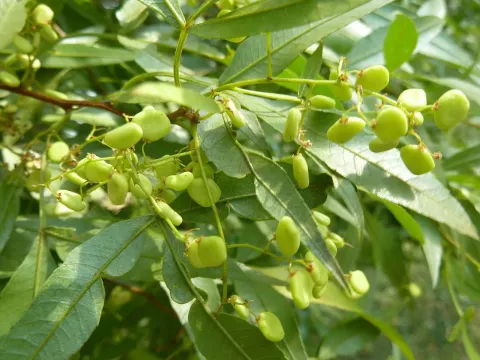
Rhus lepidodictya
Rhus lepidodictya
Rhus lepidodictya, commonly known as a species within the Sumac family (Anacardiaceae), is a hardy deciduous plant known for its aesthetic value and adaptability. Its botanical structure features distinct pinnate leaves and a robust root system capable of navigating harsh terrains.
What the section contains
Rhus lepidodictya
The plant originates from arid environments, which has shaped its physiological requirements. It thrives in full sun exposure, which is essential for healthy development and maintaining the structural integrity of its canopy. Shade can significantly reduce its ornamental performance.
In terms of soil composition, Rhus lepidodictya requires well-drained, porous ground. It performs exceptionally well in sandy, loamy, or rocky soils. It is highly intolerant of waterlogged areas, as stagnant moisture quickly leads to root decay and overall plant failure.
Agronomic management of this species is relatively straightforward. Once established, the plant shows remarkable resilience to drought conditions. Young plants require consistent watering during their first growing season to facilitate deep root penetration and long-term stability.
Maintenance tasks include periodic pruning, preferably in the late dormant season, to remove dead wood or to shape the tree as desired. Fertilization is generally minimal, as the species is adapted to soils with low nutrient density; excessive nitrogen can lead to weak, lanky growth.
Like many species in the Anacardiaceae family, Rhus lepidodictya is susceptible to fungal infections, particularly verticillium wilt. This soil-borne pathogen affects the vascular system, resulting in branch dieback that requires aggressive pruning or site management.
Pest issues include typical sap-sucking insects like aphids and scale insects. These pests can weaken the plant and serve as vectors for secondary viral or fungal infections. Monitoring the undersides of leaves and new growth tips is recommended during spring.
To mitigate threats, good garden hygiene is paramount. This includes the removal of leaf litter and debris from the base of the plant to prevent the overwintering of pests and pathogens. Mulching with organic matter helps stabilize soil conditions but should not touch the trunk directly.
In cases of severe infestations or disease outbreaks, targeted pesticide applications are necessary. However, integrated pest management (IPM) practices, such as encouraging natural predators, are preferred for sustainable long-term health of the sumac trees.
Environmental stress is a predisposing factor for pest and disease attacks. Ensuring the plant is not subjected to rapid fluctuations in soil moisture and avoiding mechanical damage to the bark will significantly enhance the natural defensive mechanisms of the tree.