
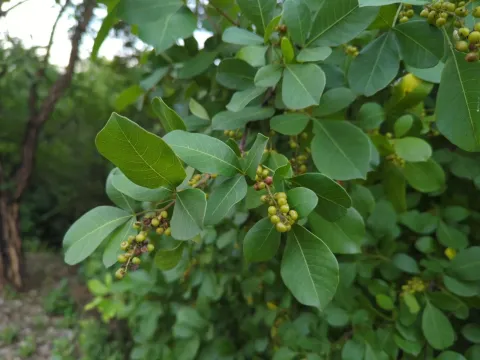
Rhus longipes
Rhus longipes
Rhus longipes is a notable species within the Anacardiaceae family, primarily native to various regions of Africa. This woody plant is characterized by its adaptability to harsh environments, making it a valuable subject for agroforestry projects in subtropical and tropical zones where water scarcity is a significant constraint.
What the section contains
Rhus longipes
The plant thrives in well-drained soils, showing a preference for rocky or loamy substrates that do not retain excess moisture. Proper site selection is crucial, as the species requires full sun exposure to maintain its structural integrity and optimize the physiological processes associated with biomass production.
In terms of climatic requirements, Rhus longipes is highly resilient to high temperatures and prolonged dry seasons. However, it is sensitive to severe frosts, which limits its commercial cultivation to frost-free regions or protected microclimates where temperatures remain consistently above freezing.
Agrotechnical practices involve minimal maintenance once the plant is established. Early stage care focuses on establishing a strong root system through initial irrigation. Once mature, the tree displays significant drought tolerance, reducing the need for intensive agricultural input in large-scale plantations.
Economically, the species is utilized for its tannin-rich bark, which is traditionally harvested for leather processing. Furthermore, its ability to stabilize soil makes it an ideal candidate for erosion control and environmental restoration, while its aesthetic appeal allows for its integration into public landscape designs.
The primary agricultural threat to Rhus longipes is related to soil-borne pathogens triggered by poor drainage conditions. Phytophthora and other fungal-related root rots can severely impact the tree's health if the cultivation area is subjected to waterlogging during rainy seasons.
Insect pests, including various aphids and scale insects, often target the succulent new growth of the plant. These infestations can stunt the growth of young saplings and potentially facilitate the secondary infection of viral diseases, which may spread across dense plantation areas.
Management of these threats involves a proactive approach to tree health, emphasizing ventilation and spacing. A well-spaced orchard allows for natural wind movement, reducing humidity levels within the canopy and thereby discouraging the establishment of fungal spores and pest colonies.
When chemical intervention is required, it is essential to utilize selective treatments that minimize the impact on beneficial fauna. The application of systemic fungicides should be reserved for confirmed cases of infection to maintain the overall ecological balance of the cultivated site.
Integrated Pest Management (IPM) practices are highly recommended for the sustainable production of this species. Monitoring systems, such as pheromone traps for insects or regular soil moisture analysis, provide the necessary data to make informed decisions regarding crop protection without excessive chemical use.